By admin
Posted in japanese matcha, matcha in tokyo, premium matcha | Tags : gozen matcha, matcha in japan, matcha in tokyo, microbiome Matcha, premium matcha
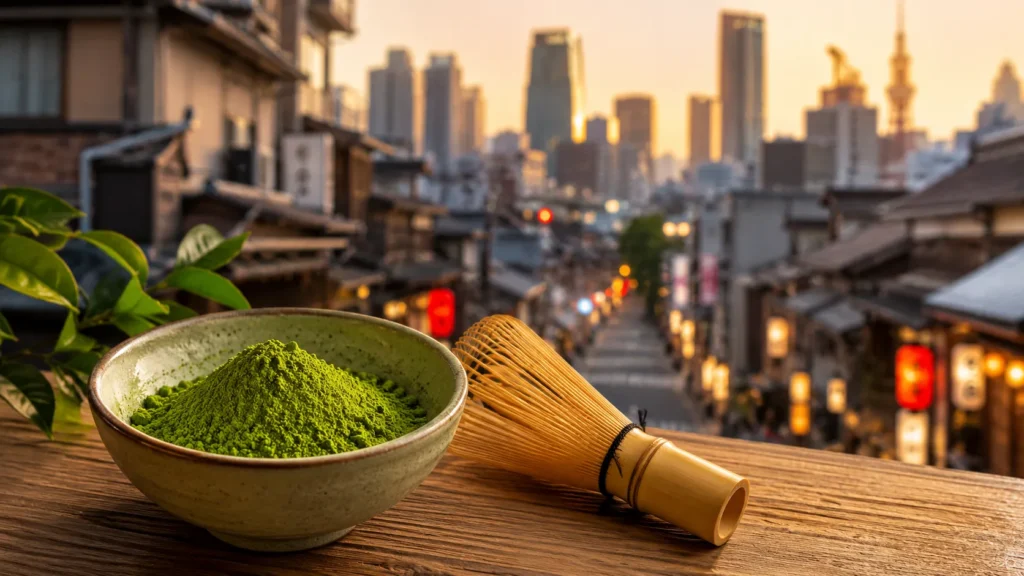
If you’re planning a trip to Japan, chances are matcha is already on your list. That bright green powder you’ve seen in lattes, desserts, and skincare products all started right here — and Tokyo is one of the best places in the world to buy it fresh, real, and at a fair price.
But here’s the problem most first-time buyers run into: Tokyo is full of matcha. It’s in convenience stores, souvenir shops, department stores, tiny tea houses, and airport gift shops. Not all of it is good. Some of it isn’t even real matcha — it’s just green tea powder with sugar and flavoring mixed in.
This guide is written for beginners. No jargon, no confusing tea terms. Just simple, practical advice on where to buy matcha in Tokyo, how to tell good matcha from bad, and what to look for so you don’t waste money on something that looks nice but tastes flat.
What Exactly Is Matcha (In Simple Terms)?
Matcha is green tea leaves that have been ground into a fine powder. Unlike regular tea, where you steep leaves in water and then remove them, with matcha you drink the whole leaf — because it’s already powder, mixed straight into water or milk.
This is why quality matters so much. With regular tea, a lower-quality leaf just makes a weaker cup. With matcha, you’re consuming the entire leaf, so a poor-quality powder tastes bitter, chalky, or dull, and a high-quality one tastes smooth, slightly sweet, and grassy in a pleasant way.
There are two general grades worth knowing about:
- Ceremonial grade – Made from the youngest, most tender tea leaves. Meant to be drunk on its own, mixed with hot water. Smooth and naturally a little sweet.
- Culinary grade – Made from slightly older leaves. Stronger and more bitter, which works well when mixed into lattes, smoothies, or baked goods.
Knowing this one difference will save you from buying the wrong type for what you actually want to do with it.
Why Buy Matcha in Japan Instead of at Home?
You can buy matcha almost anywhere now — supermarkets, online stores, cafes back home. So why bother buying it in Tokyo?
A few honest reasons:
- Freshness. Matcha loses its flavor and bright green color quickly once it’s ground. Buying it close to where it’s harvested and processed means you’re getting a fresher product than something that’s been sitting in a warehouse and shipped overseas.
- Wider selection. Tokyo shops carry grades and regional varieties that rarely make it to stores outside Japan.
- Better prices for high-quality matcha. Import taxes, shipping, and foreign retail markups often double the price of good matcha once it leaves Japan.
- You can actually taste before you buy. Many tea shops in Tokyo let you sample matcha before committing to a tin. Try doing that on a foreign website.
Best Places to Buy Matcha Powder in Tokyo
Here’s where locals and knowledgeable travelers actually go — not just the tourist-trap shops near major stations.
1. Specialty Tea Shops in Traditional Neighborhoods
Areas like Nihonbashi and parts of Asakusa have long-standing tea shops, some family-run for generations. These shops usually sell matcha by weight, meaning you’re not paying for fancy packaging — you’re paying for the tea itself. Staff can usually explain where the tea was grown and what grade you’re buying, even with simple English or hand gestures and a translation app.
2. Department Store Food Halls (Depachika)
Big department stores like Isetan, Mitsukoshi, and Takashimaya have basement food floors with dedicated tea counters. This is a great option if you want a trustworthy source without hunting through side streets. Prices are fair, and the matcha is properly stored and sealed for travel.
3. Tea Houses That Sell Their Own Blends
Some tea houses in Tokyo grow or source their own leaves and grind matcha in small batches. Buying directly from a tea house often gets you fresher, higher-quality matcha than a general retail shop, since there’s no middleman. This is also where you’ll find more thoughtfully made matcha brands, including newer names like Gozen Samurai Matcha, which has been gaining attention among visitors looking for a well-balanced, smooth ceremonial-grade option that doesn’t come with an inflated tourist price tag.
4. Specialty Grocery Stores
Stores focused on Japanese ingredients (rather than general convenience stores) often stock a small but well-curated matcha selection. These are useful if you want something mid-range in both price and quality — not the cheapest option, but not a premium gift-box price either.
5. Airport Shops (Last Resort Only)
Convenient, yes. But airport shops mark up prices significantly and often carry mass-produced blends rather than anything special. If you can, buy your matcha in the city and save the airport for last-minute snacks.
How to Buy Organic Matcha in Japan
If organic matters to you, here’s what to actually look for, in plain terms:
- Check the label for JAS Organic certification — this is Japan’s official organic standard, similar to the USDA organic label in the US.
- Ask the shop directly if the tea is pesticide-free. Many smaller tea houses grow using traditional methods without officially certifying as “organic” because certification is expensive for small farms — so don’t assume non-certified means lower quality.
- Organic matcha tends to cost more. If a price feels surprisingly low for something labeled organic, it’s worth asking questions before buying.
What Makes Matcha “The Best” — A Simple Checklist
You don’t need to be a tea expert to spot good matcha. Use this checklist when you’re standing in a shop trying to decide:
- Color – Should be a vivid, almost neon green. Dull green or yellowish-green usually means lower quality or older tea.
- Smell – Should smell fresh and slightly sweet, like fresh-cut grass. A stale or fishy smell is a bad sign.
- Texture – Should feel like fine talcum powder, not gritty.
- Packaging – Good matcha is sold in small amounts (20g–40g) in airtight, light-blocking tins or bags. If it’s sitting in a clear bag under bright lights, it’s likely lost freshness already.
- Price per gram – Ceremonial-grade matcha typically costs more per gram than culinary-grade. If a “ceremonial grade” tin is priced like a bargain bag of tea, be skeptical.
Matcha and Gut Health: Why People Are Paying More Attention to It
Beyond the taste and ritual, one reason matcha has grown in popularity recently is its connection to gut health. Matcha contains natural plant compounds and fiber (since you’re consuming the whole leaf) that may support a healthier gut microbiome — the community of bacteria in your digestive system that plays a role in digestion and overall wellness.
This is one more reason quality matters. Lower-grade matcha, often bulked up with fillers or blended with other powders, doesn’t offer the same natural benefits as pure, high-grade matcha made from whole tea leaves. If you’re buying matcha partly for wellness reasons, it’s worth spending a little more for a purer product rather than the cheapest tin you can find.
To be clear — matcha isn’t a magic health fix, and it shouldn’t replace medical advice or a balanced diet. But as part of a normal routine, quality matcha is a simple, natural addition many people enjoy.
Buying Matcha Online vs. Buying It in Tokyo
If you can’t make it to Japan, or you want to stock up after your trip ends, online buying is possible — but it comes with trade-offs:
Pros of buying online:
- Convenient, no travel required
- Easier to compare prices across sellers
- Some Tokyo tea shops now ship internationally
Cons of buying online:
- Harder to verify freshness before purchase
- Higher shipping costs, especially for smaller orders
- More risk of counterfeit or low-grade matcha mislabeled as “premium”
If buying online, stick to sellers who clearly state the harvest date, the region the tea comes from, and the grade. Reputable sellers won’t hide this information.
Ready to try authentic, ceremonial-grade matcha?
Get in touch with Gozen Samurai Matcha to ask about availability, bulk orders, or shipping options — straight from the source.
Contact Us to Buy MatchaQuick Tips for First-Time Matcha Buyers in Tokyo
To wrap things up, here are simple, practical tips to keep in mind while shopping:
- Buy small amounts first. A 20g–30g tin is enough to try before committing to a larger, more expensive one.
- Ask if you can smell or see the powder before buying, especially at smaller shops.
- Don’t judge by packaging alone. Some of the best matcha comes in simple, unbranded tins from small tea houses rather than flashy gift boxes.
- Store it properly. Once you buy matcha, keep it in the fridge, sealed, and away from light. It loses freshness fast once opened.
- Compare a few shops before deciding. Prices and quality can vary a lot even within a few blocks of each other.
Final Thoughts
Buying matcha in Tokyo doesn’t have to be complicated or stressful. Once you know the basic difference between ceremonial and culinary grade, understand what freshness looks and smells like, and know a few reliable places to shop — from department store tea counters to smaller tea houses carrying thoughtfully made blends like Gozen Samurai Matcha — you’re well equipped to bring home something genuinely worth the trip.
The best matcha isn’t always the most expensive tin or the flashiest packaging. It’s the one that’s fresh, properly stored, and made with care — and in Tokyo, that kind of matcha isn’t hard to find once you know where to look.




[…] shops vary a lot. Not every shop that sells matcha in Tokyo, especially in tourist-heavy areas, sells high-quality shade-grown matcha. Some sell blends meant […]
[…] the best matcha powder in Japan doesn’t mean finding the most expensive tin on the shelf. It means buying the right matcha […]