
By admin
Posted in ceremonial matcha, matcha pricing factors, Most Expensive Matcha, premium matcha, rare matcha varieties | Tags : high-end matcha tea, luxury matcha powder, matcha quality grades, most expensive matcha in the world
Matcha has transcended its traditional Japanese tea ceremony roots to become a global phenomenon, appearing in everything from lattes to desserts. But while you can find matcha powder for $20 per tin at your local grocery store, the world’s most expensive matcha commands prices that exceed $500 per pound—with some ultra-rare varieties reaching several thousand dollars. What separates these luxury matcha powders from everyday varieties, and why do connoisseurs willingly pay such astronomical prices for this vibrant green powder?
Understanding Matcha: More Than Just Green Tea Powder
Before diving into the world of premium matcha pricing, it’s essential to understand what makes matcha fundamentally different from other teas. Matcha is a finely ground powder made from specially grown and processed green tea leaves called tencha. Unlike traditional tea where leaves are steeped and discarded, matcha involves consuming the entire leaf, providing a concentrated dose of nutrients, antioxidants, and caffeine.
The preparation of authentic matcha follows centuries-old Japanese traditions. Tea plants destined for matcha production undergo a specialized cultivation process that dramatically impacts the final product’s quality, flavor profile, and ultimately, its price.
The World’s Most Expensive Matcha Varieties
Ceremonial Grade Matcha from Historic Regions
The most expensive matcha in the world typically comes from three prestigious regions in Japan: Uji in Kyoto Prefecture, Nishio in Aichi Prefecture, and Shizuoka. Among these, Uji matcha holds particular reverence as the birthplace of Japanese tea culture and remains the gold standard for premium ceremonial grade matcha.
Ultra-premium ceremonial matcha from renowned Uji producers can cost between $150 to $500 per pound, with some limited-edition first harvest varieties exceeding $1,000 per pound. These astronomical prices reflect not just quality but centuries of refinement, artisanal expertise, and cultural heritage.
Limited Edition and Single-Origin Matcha
The absolute pinnacle of matcha pricing comes from extremely limited production runs from specific tea gardens with legendary reputations. These single-origin matchas, sometimes produced in quantities of just 10-20 kilograms per year, can command prices exceeding $2,000 per pound. Such varieties are typically available only through exclusive tea merchants or directly from the tea estates themselves.
Why Premium Matcha Commands Such High Prices
1. Labor-Intensive Cultivation Process
The production of high-quality matcha begins months before harvest with a meticulous cultivation process that requires exceptional skill and patience.
Shade Growing (Kabusecha Method): Approximately 20-30 days before harvest, tea plants are covered with specially designed shade structures that block 90% or more of direct sunlight. This shading process triggers a biological response in the tea plant, causing it to produce higher concentrations of chlorophyll (creating that coveted vibrant green color), L-theanine (responsible for matcha’s unique umami flavor and calm energy), and amino acids while reducing bitter catechins.
Premium tea estates use traditional methods involving hand-woven reed screens or modern synthetic materials positioned at precise angles to create optimal shade gradients. The most expensive matcha comes from plants that may undergo multiple stages of progressive shading, each requiring adjustment and monitoring by experienced tea masters.
First Harvest Supremacy: The most valuable matcha comes exclusively from the first harvest of the year (ichibancha), which occurs in late April to early May. These young, tender leaves have spent the entire winter accumulating nutrients and developing complex flavor compounds. First harvest leaves are demonstrably superior in taste, aroma, and nutritional content compared to second or third harvest leaves.
The harvest window for premium first harvest leaves is incredibly narrow—sometimes just 7-10 days—requiring large teams of skilled workers to hand-pick leaves at their peak. This brief harvest period means limited supply, directly impacting price.
2. Hand-Picking and Selection Standards
While lower-grade matcha may be mechanically harvested, the world’s most expensive matcha requires completely hand-picked leaves selected by experienced workers who can identify the perfect leaves—typically just the top two or three youngest shoots from each stem.
After harvesting, leaves undergo rigorous hand-sorting where damaged, discolored, or sub-optimal leaves are removed. For ultra-premium matcha, this sorting process can result in rejection rates exceeding 50%, meaning only the absolute finest leaves make it to the next stage. This selective approach dramatically reduces yields and increases labor costs, both of which are reflected in the final price.
3. Traditional Steaming and Drying Methods
Immediately after harvesting, leaves must be steamed to halt oxidation and preserve their vibrant green color and fresh flavor. Premium matcha producers use carefully calibrated steaming times—typically 15-20 seconds—that require split-second timing and expertise.
Following steaming, leaves are dried using specialized techniques that prevent damage to delicate cell structures. Traditional drying methods in temperature-controlled rooms can take 6-8 hours, during which leaves must be constantly monitored and adjusted. This process cannot be rushed without compromising quality.
4. Meticulous De-Veining and De-Stemming
To create true tencha (the leaf material used for matcha), every stem and vein must be completely removed, leaving only the soft leaf tissue. This process, called “sorting” or “cleaning,” is incredibly labor-intensive and is often performed by hand or with specialized machinery operated by skilled technicians.
The finest ceremonial matcha uses only the purest leaf tissue, with absolutely zero stem or vein content. This extreme selectivity means that from the original harvested leaf weight, often only 30-40% becomes usable tencha. The rest, while still valuable for other tea products, doesn’t meet the standards for premium matcha production.
5. Stone Grinding: The Art of Patience
Perhaps the most distinctive aspect of authentic premium matcha production is the grinding process. Traditional matcha is ground using granite stone mills (ishiusu) that rotate at extremely slow speeds—a single mill can produce only 30-40 grams of matcha powder per hour.
This painstakingly slow grinding process is non-negotiable for several reasons:
- Temperature Control: Slow grinding prevents heat buildup that would damage delicate flavor compounds and alter the powder’s color
- Particle Size: Stone mills produce ultra-fine particles (5-10 microns) with a silky texture impossible to achieve through modern grinding methods
- Flavor Preservation: The gentle grinding preserves volatile aromatic compounds that give premium matcha its complex flavor profile
For perspective, a single tea master operating a traditional stone mill might produce just 1-2 kilograms of finished matcha per day. When you consider that a tea estate might have only a handful of these mills, the production constraints become clear. Modern ball mills or impact grinders can produce matcha hundreds of times faster, but the resulting powder lacks the refinement, smoothness, and flavor complexity of stone-ground matcha.
6. Lineage, Reputation, and Tea Master Expertise
The most expensive matcha often comes from tea estates with unbroken production histories spanning 10-20 generations or more. These family-run operations have spent centuries perfecting their cultivation techniques, maintaining proprietary tea plant cultivars, and developing specialized knowledge passed down exclusively within the family.
Tea masters at these elite estates possess extraordinary expertise—they can assess tea quality through sight, touch, smell, and taste with accuracy that surpasses laboratory analysis. Their judgment determines which batches receive the designation of premium ceremonial grade and which, despite being excellent, are classified as lower grades.
This human expertise cannot be replicated, automated, or accelerated. A tea master’s reputation, built over decades, adds intangible but very real value to the matcha bearing their name or their estate’s seal.
7. Limited Production and Exclusivity
Many of the world’s most expensive matchas are produced in minuscule quantities—sometimes just a few dozen kilograms per year from a particular garden or tea cultivar. This scarcity is not artificial but results from:
- Limited growing area: Historic tea gardens may occupy just a few acres with perfect microclimate conditions that cannot be replicated elsewhere
- Age of tea plants: The finest matcha often comes from tea plants that are 30-50 years old or more, producing lower yields but higher quality
- Selective production: Elite producers may choose to make only ceremonial grade matcha, foregoing higher volumes of lower grades
When supply is measured in kilograms rather than tons, and global demand from collectors, tea ceremonyists, and luxury consumers far exceeds availability, prices naturally reach extraordinary levels.
8. Certification, Quality Control, and Testing
Premium matcha undergoes extensive quality control that includes:
- Multiple rounds of sensory evaluation by certified tea tasters
- Laboratory testing for amino acid content, catechin levels, and chlorophyll concentration
- Pesticide and contamination screening (premium tea gardens typically use no pesticides whatsoever)
- Radiation testing (particularly important post-Fukushima)
- Certification processes for organic, traditional production method, and regional origin designations
Each of these quality assurance steps adds cost but provides guarantee to consumers that they’re receiving genuine, uncompromised premium matcha.
BREAKING: World Record Set for Most Expensive Matcha
Historic Achievement: USD 500 Per 20g at Expo 2025 Osaka
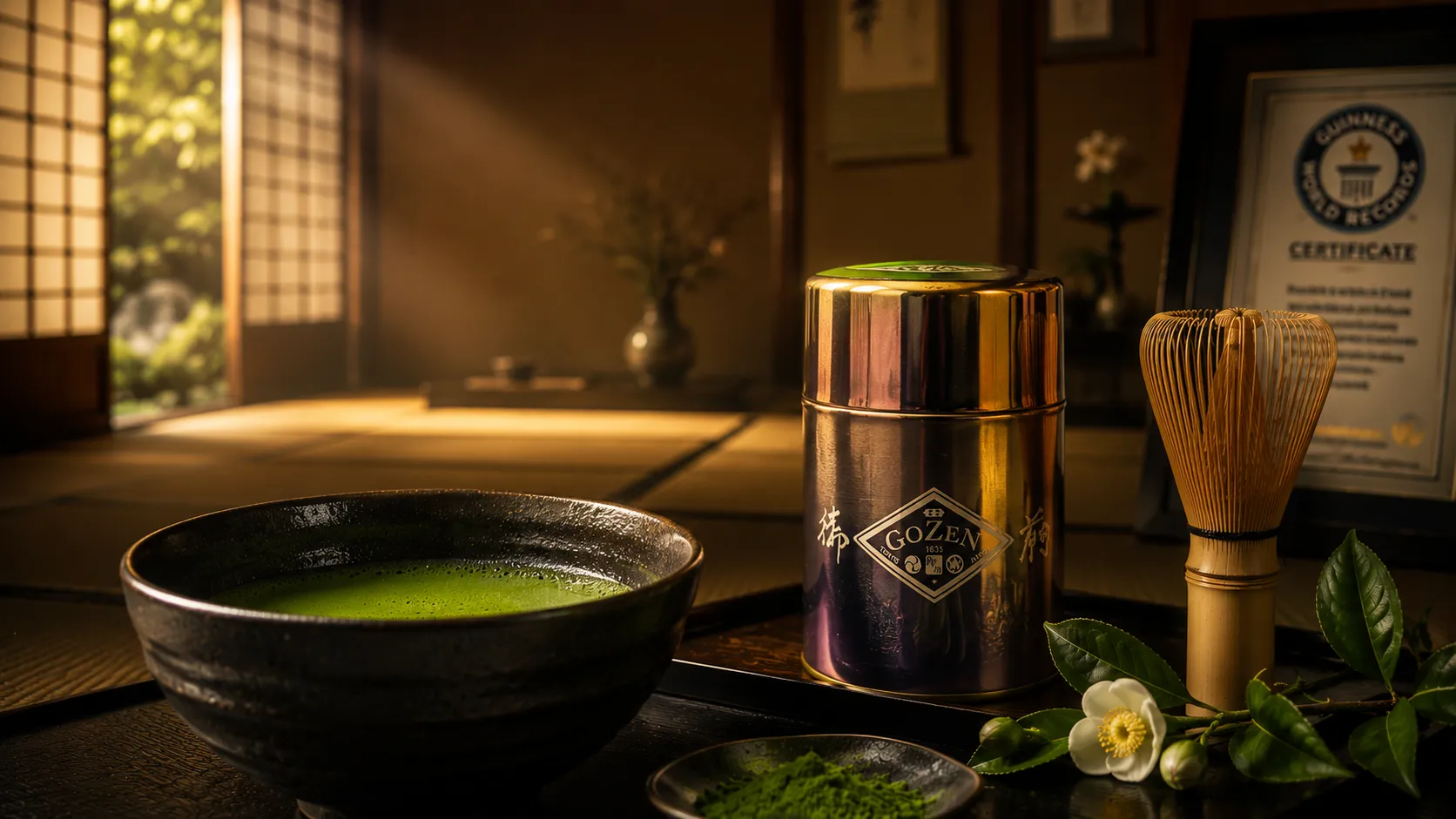
In a groundbreaking moment for the luxury tea industry, a new world record has been officially certified for the most expensive matcha ever sold commercially. At Expo 2025 Osaka, premium matcha was offered at an unprecedented USD 500 per 20 grams (approximately $11,340 per pound), establishing a new benchmark in the ultra-luxury tea market.
This historic achievement was officially recognized with Guinness World Records certification, marking a significant milestone in matcha’s evolution from traditional ceremonial beverage to globally recognized luxury commodity. The record-setting matcha represents the pinnacle of Japanese tea craftsmanship, combining centuries-old cultivation techniques with uncompromising quality standards.
The Significance of This Achievement
This world record accomplishment carries multiple layers of significance:
Cultural Recognition: The official Guinness World Records certification brings international attention to Japanese tea culture and the extraordinary craftsmanship involved in producing ultra-premium matcha. It validates what tea masters have known for generations—that the finest matcha represents one of the world’s most refined agricultural products.
Market Validation: The successful sale at this price point demonstrates that a discerning global market exists for ultra-luxury tea products. Collectors, connoisseurs, and cultural institutions recognize the value proposition of exceptionally rare, meticulously produced matcha.
Preservation of Tradition: Revenue from ultra-premium matcha sales enables historic tea estates to continue traditional production methods that might otherwise become economically unviable. Stone grinding, hand-picking, and multi-generational expertise require significant resources to maintain.
Innovation Through Tradition: While rooted in centuries-old methods, this achievement showcases how traditional crafts can achieve contemporary relevance and command premium positioning in modern luxury markets alongside fine wines, rare spirits, and specialty coffees.
What Makes This Record-Setting Matcha Extraordinary
The matcha that achieved this world record price point represents the absolute apex of quality across every measurable dimension:
Exclusive Sourcing: Likely sourced from one of Japan’s most prestigious tea-growing regions—possibly a historic Uji estate with centuries of documented production excellence. The tea plants producing these leaves may be 50+ years old, cultivated in microclimate conditions that cannot be replicated elsewhere.
First Harvest Supremacy: Undoubtedly from the very first picking of spring (ichibancha), harvested during the narrow optimal window when tender new leaves contain maximum amino acids, minimal catechins, and peak flavor complexity.
Extreme Selection Standards: With rejection rates potentially exceeding 70-80%, only the absolute finest leaves from the absolute finest plants make it into this ultra-premium grade. Every leaf is hand-selected, with stems and veins meticulously removed.
Traditional Stone Grinding: Ground using centuries-old granite stone mills at painstakingly slow speeds, requiring 10-12 hours to produce just 200-300 grams. This traditional method produces particle sizes of 5-10 microns with a silky texture impossible to achieve through modern grinding.
Limited Availability: Production quantities likely measured in single-digit kilograms annually, making this matcha among the rarest tea products globally available. Scarcity at this level creates inherent collectibility and investment value.
Cultural Pedigree: Produced by tea masters whose families may have served tea to Japanese nobility, samurai, or tea ceremony grandmasters for 10-20+ generations. Their names carry weight equivalent to renowned winemakers or master distillers.
The Expo 2025 Osaka Platform
The choice of Expo 2025 Osaka as the venue for this world record is particularly meaningful. World Expos serve as global showcases for innovation, culture, and achievement, with Japan using this platform to demonstrate the continuation and evolution of its rich cultural heritage.
Presenting record-breaking matcha at Expo 2025 positions Japanese tea culture alongside cutting-edge technology and contemporary innovation, illustrating how traditional craftsmanship remains relevant and valuable in the modern world. The international audience at Expo 2025 includes collectors, luxury goods buyers, cultural institutions, and media from every continent, providing ideal visibility for this achievement.
Market Implications and Future Trajectory
This world record establishes new parameters for the luxury tea market with several implications:
Price Ceiling Expansion: Demonstrating that matcha can command $500+ per 20 grams expands the potential price ceiling for ultra-premium varieties, potentially benefiting top-tier producers across Japan’s tea regions.
Increased Investment Interest: Like fine wine or rare whiskey, ultra-premium matcha may attract investment interest from collectors viewing it as both culturally significant and potentially appreciating in value, particularly limited-edition releases from historic estates.
Authentication Importance: As prices reach this level, authentication and provenance documentation become critical. Expect increased emphasis on traceability, certification, and anti-counterfeiting measures for premium matcha.
Accessibility Conversation: This record also highlights the vast quality spectrum in matcha. While $500/20g represents the extreme pinnacle, exceptional ceremonial grade matcha offering remarkable quality remains accessible at $50-150 per pound, making authentic Japanese tea culture available to serious enthusiasts worldwide.
How This Compares to Other Luxury Teas
To contextualize this achievement, consider other record-breaking luxury teas:
Da Hong Pao (Big Red Robe): Historic mother trees in China’s Wuyi Mountains produced tea that sold for approximately $1.4 million per kilogram in 2005, though these trees are now protected and no longer harvested commercially.
Vintage Pu-erh: Aged pu-erh tea cakes from renowned producers and exceptional vintages have sold for $10,000-$150,000 per kilogram at auction, with value increasing based on age, provenance, and storage quality.
First Flush Darjeeling: The finest first flush Darjeeling from prestigious estates might command $500-$1,000 per kilogram, a fraction of record-breaking matcha pricing.
The $500 per 20g matcha ($11,340/lb or approximately $25,000/kg) positions it among the world’s most expensive teas, reflecting matcha’s unique production requirements, cultural significance, and the extreme quality standards at the absolute top tier.
The Grading System: Understanding Matcha Quality Tiers
Not all matcha is created equal, and understanding the grading system helps explain price differences:
Ceremonial Grade Matcha
Ceremonial grade represents the highest quality matcha, intended for traditional tea ceremony (chanoyu) consumption and drinking straight with hot water. Characteristics include:
- Color: Brilliant, vibrant jade green
- Texture: Silky smooth, ultra-fine powder with no grittiness
- Flavor: Complex, naturally sweet with pronounced umami, minimal bitterness or astringency
- Aroma: Fresh, vegetal, with subtle sweetness
- Price Range: $25-$500+ per pound
Within ceremonial grade, there are further distinctions. The absolute finest ceremonial matcha features remarkable sweetness, deep umami richness, and complex layered flavors that evolve in your mouth. This top-tier ceremonial matcha represents the bulk of ultra-expensive varieties.
Premium Grade Matcha
Premium grade matcha is excellent quality but doesn’t quite reach ceremonial standards. It’s ideal for daily drinking and can be used in both traditional preparation and lattes.
- Color: Bright green, but perhaps slightly less vibrant than ceremonial
- Flavor: Good balance of sweetness and umami with slight vegetal notes
- Price Range: $12-$40 per pound
Culinary or Ingredient Grade Matcha
Designed for cooking, baking, and blending into recipes, culinary grade matcha is made from later harvests or from tea plants not subjected to the full traditional cultivation process.
- Color: Green with possible yellow tones
- Flavor: More bitter and astringent, less complex
- Price Range: $5-$20 per pound
The price differential between these grades reflects the cumulative impact of cultivation intensity, harvest timing, selection standards, and processing care.
Comparing Premium Matcha to Other Luxury Beverages
To contextualize expensive matcha pricing, consider comparable luxury beverages:
High-End Coffee: Premium specialty coffee from rare varieties or microlots might cost $50-$150 per pound. However, coffee requires far less processing than matcha and doesn’t undergo the months-long cultivation process with shade structures and hand-picking requirements.
Fine Wine: Prestigious wines from legendary vineyards routinely sell for hundreds or thousands per bottle. Like expensive matcha, these wines reflect terroir, limited production, artisanal expertise, and cultural heritage.
Rare Whiskey: Aged luxury whiskeys can cost thousands per bottle, with ultra-rare releases exceeding six figures at auction. The comparison here lies in aging, scarcity, and the expertise required for production.
When viewed through this lens, ultra-premium matcha pricing aligns with other luxury beverages where quality, tradition, scarcity, and expertise command premium prices.
Is Expensive Matcha Worth the Price?
Whether ultra-premium matcha justifies its price depends entirely on your perspective, usage, and appreciation level.
For Tea Ceremony Practitioners
Serious students and practitioners of traditional Japanese tea ceremony consider authentic, highest-quality ceremonial matcha essential. The tea isn’t merely a beverage but a central element in a refined cultural and spiritual practice. For these practitioners, using anything less than exceptional matcha would be unthinkable—equivalent to a concert violinist performing on a mediocre instrument.
For Connoisseurs and Enthusiasts
Those who have trained their palate to discern subtle differences in tea quality can absolutely taste the difference between $30 matcha and $300 matcha. The increased complexity, smoothness, sweetness, and lingering aftertaste of ultra-premium matcha provide a sensory experience that justifies the expense for serious enthusiasts.
For Health-Conscious Consumers
Premium matcha contains significantly higher levels of L-theanine, antioxidants (particularly EGCG), and chlorophyll than lower grades. While all matcha offers health benefits, the most carefully cultivated varieties provide maximum nutritional density. For those prioritizing health optimization, premium matcha may offer better value per nutrient than supplements.
For Casual Drinkers
If you primarily use matcha in lattes, smoothies, or baking, ultra-premium ceremonial grade is probably unnecessary. Premium or high-quality culinary grade will provide excellent results at a fraction of the cost. The subtle complexities of $500 matcha are largely lost when mixed with milk, sweeteners, or other ingredients.
How to Identify Authentic Premium Matcha
With matcha’s popularity surge, the market has flooded with products claiming premium status while delivering substandard quality. Here’s how to identify genuine high-quality matcha:
Visual Indicators
Color: Authentic premium matcha displays a brilliant, vibrant jade green—not dull, yellow-tinged, or brownish green. The color should be uniform throughout the powder.
Texture: When rubbed between your fingers, premium matcha should feel silky smooth, almost like baby powder, with absolutely no grittiness or coarse particles.
Appearance: The powder should be fine and airy, forming small clumps when lightly pressed (due to static electricity from the fine particle size), not dense and compact.
Aroma Assessment
Fresh premium matcha has a distinctive, pleasant aroma—sweetly vegetal with subtle grassy notes, never musty, fishy, or hay-like. The aroma should be pronounced but not overwhelming.
Taste Test
The definitive quality test is taste. Premium ceremonial matcha prepared traditionally (with just hot water) should taste:
- Naturally sweet: No bitterness overwhelming the palate
- Umami-rich: A savory, brothy quality that creates a coating mouthfeel
- Complex: Multiple flavor notes that evolve as you drink
- Smooth finish: No harsh astringency or bitterness lingering afterward
If the matcha is predominantly bitter, requires sweetener to be palatable, or leaves a dry, astringent sensation, it’s not true ceremonial grade regardless of packaging claims.
Sourcing and Transparency
Reputable premium matcha suppliers provide detailed information about:
- Specific region of origin (not just “Japan”)
- Harvest date (matcha is best within 1 year of production)
- Cultivar or tea plant variety
- Producer or tea estate name
- Processing methods used
- Certification details
Vague descriptions like “premium Japanese matcha” without specific details should raise red flags about authenticity.
Storing Premium Matcha: Protecting Your Investment
Given the investment in ultra-premium matcha, proper storage is essential to maintain quality:
Temperature: Matcha is highly sensitive to heat. Store unopened tins in the refrigerator or freezer. Once opened, refrigeration is ideal but ensure the container is airtight to prevent condensation.
Light: UV light degrades matcha rapidly. Always store in opaque containers, never clear glass.
Air: Oxygen causes oxidation that dulls color and flavor. Minimize air exposure by using small containers (transferring matcha from large tins to smaller ones as you use it) and ensuring airtight seals.
Humidity: Moisture causes clumping and promotes degradation. Always use dry utensils when scooping matcha and avoid opening containers in humid environments.
Consumption Timeline: Even with perfect storage, matcha gradually loses quality. Premium ceremonial matcha is best consumed within 3-6 months of opening, though unopened tins may maintain quality for 1-2 years if frozen.
Proper storage can mean the difference between $500 matcha maintaining its exquisite qualities and becoming a mediocre product within weeks.
The Cultural Value Beyond Price
While much of this article has focused on the tangible factors behind expensive matcha pricing, there’s an intangible cultural dimension that transcends mere economics.
Premium matcha represents the culmination of over 800 years of Japanese tea culture refinement. The production methods, aesthetic appreciation, and ceremonial use of matcha are designated Important Intangible Cultural Properties in Japan. When you purchase ultra-premium matcha from historic estates, you’re not merely buying a beverage—you’re participating in and supporting the continuation of a refined cultural tradition.
For many Japanese tea masters, matcha production isn’t primarily a commercial enterprise but a cultural calling and artistic expression. The prices commanded by the finest matcha reflect this cultural value, similar to how fine art or master craftsmanship in other domains commands prices that extend beyond materials and labor.
What Makes Ceremonial, Premium, and Culinary Matcha Unique?
At the heart of every matcha lover’s collection lies an understanding of its grades, each carrying a distinct purpose and flavor profile that can take your cup—or even your cake—to the next level.
Ceremonial Grade Matcha
Reserved for the tea purist, ceremonial grade is the crown jewel of matcha. Made from the youngest, most tender leaves from the first harvest, this grade features a glowing emerald hue, delicate texture, and a sweet, umami-rich taste. True ceremonial matcha is intended for whisking with water only—no milk, sugar, or kitchen experiments here. Think of it as sipping the ancient traditions of Uji or Kagoshima—pure, simple, and revered in Japanese tea ceremonies.
Premium (Barista) Grade Matcha
A step down in exclusivity but not in excellence, premium or barista matcha bridges daily enjoyment and versatility. While still vibrant and refined, it has a slightly bolder flavor, allowing it to harmonize beautifully when blended into matcha lattes, smoothies, or wellness bowls. This grade is the workhorse for cafes and home baristas alike, delivering quality without the ceremonial price tag.
Culinary Grade Matcha
If you’re whipping up matcha pancakes, mixing into dough, or baking a green tea cheesecake, this is your go-to. Culinary grade utilizes leaves further down the tea plant, lending a more robust and sometimes slightly bitter flavor profile. It may lack the fluorescence of ceremonial matcha, but it shines in recipes—imparting color, taste, and antioxidants to everything from mochi to macarons.
In short:
- Ceremonial: Best for traditional whisked tea, unmatched finesse.
- Premium/Barista: Ideal for lattes and versatile beverages.
- Culinary: Bold flavor for creative culinary adventures.
Understanding these differences ensures each sip—or bite—delivers the matcha magic you’re looking for.
Why Does Matcha Cost So Much?
The price of matcha comes down to a handful of factors that compound on each other:
| Factor | How It Affects Matcha Price |
|---|---|
| Shading time | Tea plants grown for matcha are covered for weeks before harvest to boost chlorophyll and amino acids. Longer shading generally contributes to a higher grade and higher price. |
| Harvest timing | First-flush spring leaves are usually the most prized and expensive, while later harvests are generally more affordable. |
| Hand-picking vs machine harvesting | High-end ceremonial matcha may be hand-picked, which requires more time and labour than mechanical harvesting commonly used for larger-scale or culinary-grade production. |
| Stone-grinding | Traditional granite stone mills grind matcha slowly and in small quantities, limiting production capacity and increasing the cost of premium matcha. |
| Region and terroir | Famous producing regions such as Uji in Kyoto and Kagoshima can command higher prices because of their climate, soil, production expertise, reputation and established tea-growing traditions. |
Why Matcha is Taking the World by Storm
So, what’s fueling the global fascination with matcha? In recent years, matcha has evolved from a ceremonial staple of Japanese tea culture to a worldwide sensation—and the reasons are as layered as the taste itself.
1. Unmatched Health Appeal
Packed with antioxidants (notably, the renowned catechin EGCG), matcha has captured the spotlight among health-conscious consumers. Its reputation for supporting focus, enhancing mood, and even gently boosting energy without the crash has won over everyone from wellness gurus to busy professionals. Whether you’re reaching for a frothy matcha latte at Blue Bottle Coffee in New York or sipping it in a Kyoto teahouse, the promise of mindful energy is a universal draw.
2. Versatility in Modern Cuisine
But it doesn’t stop at the teacup. Matcha’s fine powder lends itself to creative culinary adventures—think matcha croissants in Parisian bakeries, creamy matcha gelato in Milan, or even matcha-infused cocktails at high-end bars in London. Its vivid green hue and earthy, umami-rich flavor have inspired a new wave of chefs and baristas alike, eager to offer a taste of Japan with contemporary flair.
3. The Allure of Tradition Meets Trend
Underlying all the hype is matcha’s deep cultural heritage. The ritual of whisking matcha—whether as part of an elegant Japanese tea ceremony or a minimalist Instagram reel—offers a sense of mindfulness that resonates with today’s craving for authentic experience. Brands like Starbucks, and boutique shops like Tsujiri, have helped bridge the gap between centuries-old tradition and global pop culture, making matcha accessible to millions.
From Kagoshima’s volcanic slopes to the world’s fashion capitals, the matcha movement continues to grow—testament to its timeless appeal and ability to reinvent itself with every new generation.
Conclusion: Understanding Value in Every Bowl
The world’s most expensive matcha can indeed cost hundreds or even thousands of dollars per pound—prices that seem astronomical for what is essentially ground tea leaves. However, understanding the exhaustive cultivation process, extreme selectivity, artisanal craftsmanship, and cultural heritage embedded in every gram of ultra-premium matcha illuminates why these prices exist in a rational market.
Is expensive matcha “worth it”? That depends entirely on what you value. For tea ceremony practitioners, serious connoisseurs, and those who can genuinely appreciate the subtle complexities differentiating exceptional matcha from merely good matcha, the premium prices deliver commensurate value through superior sensory experience, nutritional density, and cultural authenticity.
For casual consumers or those who primarily use matcha as an ingredient rather than drinking it straight, excellent mid-tier ceremonial or premium grade matcha offers tremendous quality at significantly more accessible price points, typically $30-$80 per pound.
The key is education—understanding what you’re purchasing and why, recognizing quality indicators, and matching your matcha grade to your intended use. Whether you choose a $500 tin of ultra-premium first harvest Uji matcha or a $30 tin of high-quality ceremonial grade, informed purchasing ensures you receive genuine value rather than paying premium prices for inferior products masquerading as luxury goods.
In the end, the ritual of preparing matcha—whisking the powder into a frothy, vibrant green bowl—connects you to centuries of tradition, whether your matcha cost $30 or $300. The most expensive matcha in the world represents the pinnacle of this tradition, a living embodiment of Japanese aesthetic principles, agricultural expertise, and cultural refinement served one bowl at a time.




[…] There is no equivalent of a single European “matcha ritual.” […]