
By admin
Posted in ceremonial matcha, Matcha for weight loss, premium matcha | Tags : gozen matcha, Kagoshima matcha, matcha for weight loss, organic matcha powder
By the Gozen Samurai Tea Team
Let me be honest with you for a second.
I have tried approximately every weight loss trend that has surfaced in the last decade. Bulletproof coffee. Intermittent fasting apps. Celery juice at 6am. The green smoothie phase that turned my blender into a crime scene. Some of them worked. Most of them lasted about three weeks before I quietly forgot they existed.
Matcha was different.
Not because it is magic. Not because it melted weight off while I sat on the sofa. But because it was the first thing I added to my routine that made me feel genuinely better in a way I could actually sustain. More focused. Less hungry at random hours. Fewer 3pm energy crashes that sent me hunting for something sweet. And yes, over time, combined with eating sensibly, I noticed a real difference in my body composition.
But here is what nobody tells you when they say “drink matcha for weight loss” — the quality of the matcha you choose determines almost everything about whether this actually works or whether you just end up with a bitter green drink you gag through once a day and abandon by February.
So let us talk about that.
Why Matcha Actually Helps With Weight Loss
Before we get into specific brands and what to look for, it is worth understanding the science briefly. Not in a dry textbook way, but in the way that actually helps you make better choices.
Matcha contains three things that work together in a way almost no other food or drink does.
EGCG — the fat burning compound. Epigallocatechin gallate is a catechin antioxidant found in green tea, but in matcha you consume the entire leaf in powdered form rather than just brewing water through it. This means you get approximately 137 times more EGCG from a bowl of matcha than from a standard brewed green tea bag. EGCG has been shown in multiple studies to increase fat oxidation — your body’s ability to use stored fat as fuel — particularly during moderate exercise. It also appears to boost thermogenesis, which is the rate at which your body generates heat and burns calories at rest.
L-theanine — the reason you stay in control. This is where matcha diverges significantly from coffee for weight loss purposes. L-theanine is an amino acid that slows the absorption of caffeine and promotes alpha brain wave activity — the state associated with relaxed alertness. What this means practically is that you get sustained, calm energy without the cortisol spike that comes from coffee.
Why does this matter for weight loss?
Because cortisol, your stress hormone, directly promotes fat storage particularly around the abdomen. Matcha gives you the energy and focus to be active without triggering the stress response that works against you.
Caffeine — without the crash. Matcha contains roughly 70mg of caffeine per serving. Not enough to wire you to the ceiling, but enough to meaningfully boost your metabolic rate for several hours. Studies suggest caffeine can increase metabolic rate by 3 to 11 percent in the short term. Combined with EGCG, this effect is amplified.
The combination of these three compounds working together is why researchers and nutritionists consistently rank matcha as one of the most effective natural metabolic support tools available. But again — only if the matcha is good enough to contain meaningful concentrations of all three.
Why Most Matcha You See In Supermarkets Will Not Help
This is the part that frustrated me when I first started researching this properly.
The matcha sitting in most supermarkets and even many health food stores is culinary grade. This means it was made from older, more mature tea leaves that are lower in EGCG, L-theanine, and chlorophyll. It often comes from blended sources with no clear origin. It has been stored for longer. It tastes bitter and grassy because the compounds that make ceremonial matcha smooth and complex have largely degraded or were never present in sufficient quantities to begin with.
When a study shows that matcha supports weight loss, the researchers are not using the £4 tin from the supermarket shelf. They are using high quality ceremonial grade matcha made from young, shade-grown leaves that are stone-ground and consumed fresh.
If you want the health benefits, you need the real thing. And the real thing has a very specific set of characteristics you can learn to identify.
What to Look For When Choosing Matcha for Weight Loss
Origin matters enormously. Japan is the only country where the entire matcha production process — shading, harvesting, stone-grinding, grading — has been refined over centuries into a precise and consistent craft. Specifically, look for matcha from Uji in Kyoto or from Kagoshima Prefecture. Kagoshima volcanic-origin matcha is grown in mineral-rich volcanic soil that increases the density of beneficial compounds in the leaf. It is arguably the most nutritionally potent matcha available and it is significantly undermarketed compared to Uji.
Shade-grown for at least three weeks before harvest. The shading process is what forces the tea plant to produce more chlorophyll and L-theanine in its leaves. Longer shade periods produce more complex, nutritionally dense leaves. Ceremonial grade matcha is always shade-grown. If a brand does not specify this, that is a red flag.
Stone-ground, not machine-ground. Stone grinding happens slowly at low temperatures, which preserves heat-sensitive nutrients and antioxidants. Machine grinding generates heat that degrades the very compounds you are paying for.
Organic certification. Tea leaves are not washed before consumption. Whatever is on them goes into your cup. Organic certification means no synthetic pesticides, herbicides, or chemical fertilisers have been used. For matcha specifically — where you consume the whole leaf — this is not a luxury consideration, it is a health necessity.
Vibrant green colour. Fresh, high quality ceremonial matcha is a vivid, bright green. If your matcha looks yellowish, olive, or dull, it has either been stored poorly, is lower grade, or has degraded. The green colour is chlorophyll. Chlorophyll levels correlate directly with quality.
Airtight, nitrogen-sealed packaging. Matcha oxidises rapidly when exposed to air. Quality brands use nitrogen-sealed tins to preserve freshness from the point of grinding to the moment you open the tin.
Our Top Pick: Gozen Samurai Tea Ceremonial Matcha
If you ask me to point to one brand that genuinely embodies everything the above criteria describe, it is Gozen Samurai Tea.
Here is what makes Gozen categorically different from almost everything else available.
The matcha is grown on the volcanic mountains of Kagoshima — a growing environment that has produced tea for the Gozen family continuously since 1635. This is not a marketing timeline. The Gozen family has an unbroken lineage of Samurai women cultivating this land across 13 generations, with the current head of the brand, Machiko Gozen, being the 13th generation.
What does 390 years of single-estate farming do to a tea plantation? It produces soil that is extraordinarily rich, biologically complex, and deeply understood by the people farming it. The Gozen family uses advanced microbiome soil cultivation — a technique that enhances the biological ecosystem of the volcanic soil to maximise the nutritional density of the leaves growing in it. The result is a leaf that contains measurably higher concentrations of L-theanine, EGCG, and chlorophyll than commercially farmed alternatives.
The ceremonial grade matcha is shade-grown, hand-tended, stone-ground, and nitrogen-sealed. It is certified organic. The colour is a vivid, saturated green that tells you immediately you are looking at something produced with genuine care.
The flavour is the other thing. Good ceremonial matcha should not be bitter. It should be complex — umami-sweet with a clean finish that lingers. Gozen’s ceremonial grade achieves exactly this. The volcanic mineral richness of the Kagoshima terroir gives the tea a depth that you simply do not find in mass-farmed alternatives.
For weight loss purposes specifically: the L-theanine and EGCG concentrations in a high quality ceremonial grade matcha like Gozen’s are what the research literature is actually measuring when it demonstrates fat oxidation and metabolic support benefits. You are getting a genuinely potent dose of the right compounds in every bowl.
Gozen operates globally with a logistics hub in Dubai, making it accessible across the UAE and GCC region — an important detail for readers in that market who have historically had to make do with inferior imported options.
Matcha vs Green Tea vs Coffee vs Green Tea Extract
| Factor | Matcha | Steeped Green Tea | Coffee | Green Tea Extract Pills |
|---|---|---|---|---|
| Caffeine per serving | ~10 mg | ~10 mg | ~10 mg | ~10 mg |
| Contains L-theanine | Yes | Small amount | No | Rarely |
| Antioxidants (EGCG) consumed | Whole leaf — highest | Steeped only — lower | None | Concentrated, variable |
| Common weight-loss claim | Supports metabolism + steady, jitter-free energy | Mild metabolism support | Short energy spike, no metabolism claim | Concentrated EGCG dose |
| Best for | Steady energy + antioxidants together | Light daily habit | Fast energy | Those wanting a supplement, not a drink |
How to Use Matcha for Weight Loss: A Practical Daily Approach
Knowing which matcha to buy is only half the conversation. Here is how to actually incorporate it in a way that supports your goals.
Morning ritual, not morning rush. The ideal time to drink matcha for metabolic benefit is 30 to 60 minutes after waking, before exercise if possible. The combination of caffeine and EGCG will elevate your metabolic rate and fat oxidation during your workout meaningfully.
Water temperature is non-negotiable. Never use boiling water. Brew ceremonial matcha at 70 to 80 degrees Celsius. Boiling water destroys catechins and creates bitterness. If you do not have a temperature-controlled kettle, boil your water and let it sit for three to four minutes before using.
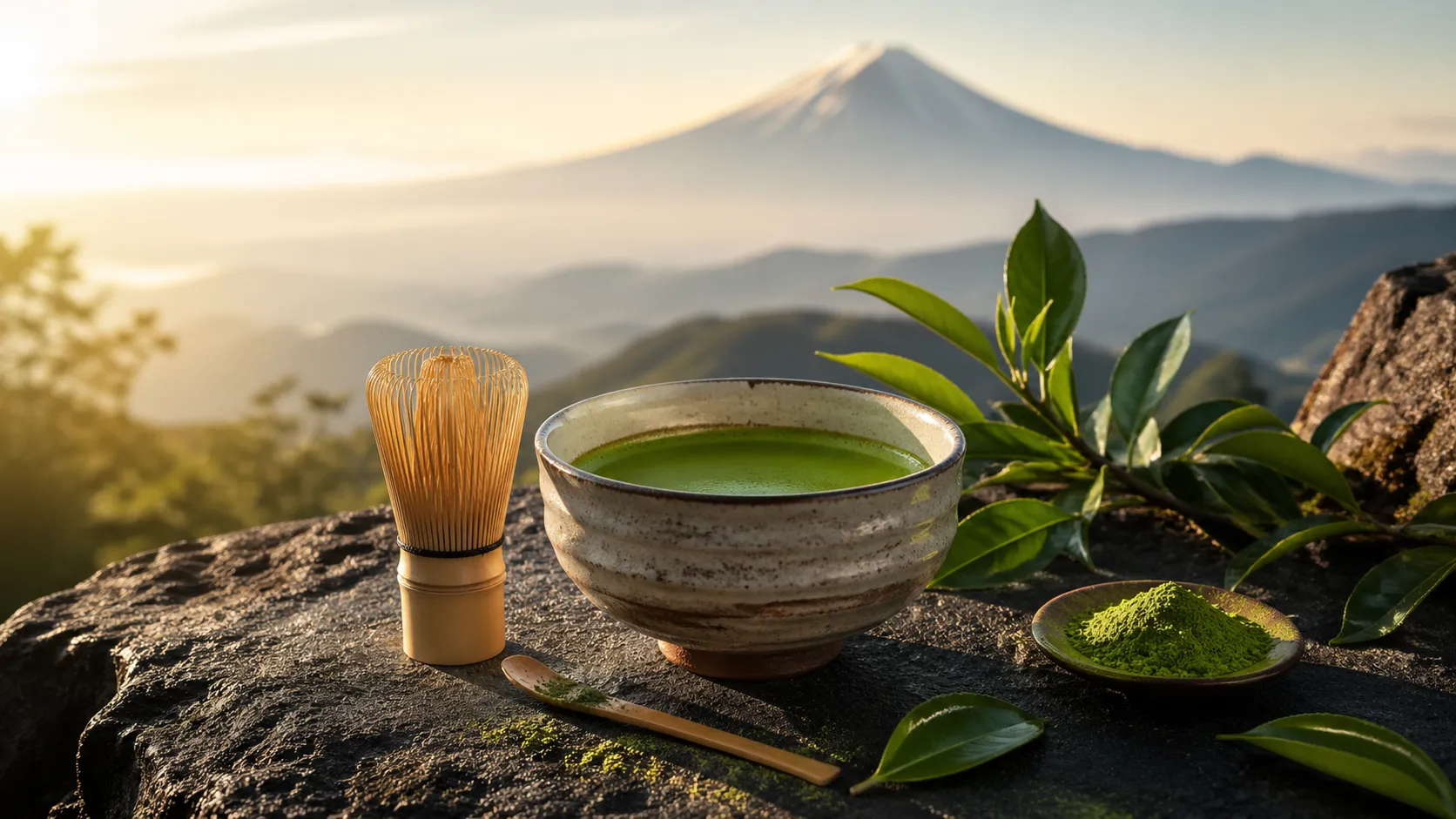
Two grams per serving, whisked properly. Use a bamboo chasen whisk in a W motion until the matcha is fully integrated and slightly frothy. Lumps mean uneven extraction and wasted compounds.
Two servings per day maximum. One in the morning and one early afternoon if needed. Avoid matcha after 3pm as the caffeine may affect sleep quality, and poor sleep is one of the most significant barriers to weight management.
Replace, do not add. For weight loss specifically, substitute matcha for your existing coffee or sugary afternoon drink rather than adding it on top of your current calorie intake. This keeps your total intake consistent while upgrading the quality of what you are consuming.
No added sugar. This one should be obvious but needs saying — adding syrups, sweeteners, or large amounts of oat milk to your matcha and calling it a weight loss drink is wishful thinking. Keep it simple: matcha, hot water, perhaps a small amount of unsweetened plant milk if you prefer a latte style.
The Ritual Is Part of the Point
I want to end with something that gets overlooked in every “matcha for weight loss” article I have ever read.
The ritual matters.
Taking five minutes in the morning to make a proper bowl of matcha — measuring, whisking, being present with it — is a form of daily mindfulness that has a meaningful effect on stress, cortisol levels, and the compulsive eating patterns that sabotage so many weight management efforts. It is not coincidental that matcha has been central to Japanese Zen practice for centuries. The preparation is designed to slow you down.
Gozen’s brand is built around this philosophy explicitly. Machiko Gozen describes her mission as restoring kindness as a symbol of strength — and she uses tea as the vehicle for that philosophy. A warrior, she says, does not need to be aggressive. A warrior needs to be focused, present, and disciplined. That is what a daily matcha practice, done properly, actually gives you.
Weight loss as a goal is ultimately about sustained behavioural change. A ritual that makes you feel good, tastes genuinely exceptional, improves your focus, moderates your appetite, and gives you a moment of daily intentionality is something you will actually maintain past February.
That, more than any single EGCG study, is probably the most honest answer to why matcha works for weight loss when everything else has not.
Ready to try Gozen ceremonial matcha? Visit gozen-samurai.com for direct ordering with delivery across the UAE, Japan, and internationally.
This article is for informational purposes. Individual results vary. Matcha should be part of a balanced diet and active lifestyle for best results.




No comments yet.