
By admin
Posted in ceremonial matcha, japanese matcha | Tags : green tea catechins, matcha calories, matcha for weight loss men, matcha green tea for weight loss
Introduction: Can Matcha Really Help With Weight Management?
Scroll through any fitness or wellness feed and you’ll eventually run into matcha being called a “fat-burning drink.” It’s become a go-to recommendation for men trying to eat better, move more, and swap out unhealthy habits for something that feels more intentional. But how much of that reputation actually holds up?
The honest answer is more nuanced than the marketing suggests. Matcha may support certain processes related to metabolism and energy expenditure, but meaningful weight management still depends mainly on overall nutrition, activity, sleep, and lifestyle habits. This article walks through what research on green tea, catechins, EGCG, and caffeine actually says — without the exaggerated claims.
What Is Matcha?
Matcha is powdered green tea made from shade-grown leaves that are steamed, dried, and ground into a fine powder. Unlike traditionally brewed green tea, where leaves are steeped and then discarded, matcha involves consuming the whole tea leaf. This means you take in more of its natural compounds per serving, including:
- Caffeine – a natural stimulant
- Catechins, including EGCG (epigallocatechin gallate) – plant compounds with antioxidant properties
- L-theanine – an amino acid linked to calm alertness
- Other antioxidant plant compounds
This is why matcha is often discussed differently than a standard cup of steeped green tea — you’re getting a more concentrated dose of the leaf itself.
Why Is Matcha Associated With Weight Management?
Matcha’s link to weight management comes from a handful of overlapping factors:
- Caffeine and energy expenditure – caffeine is a mild stimulant that can temporarily increase the number of calories your body burns at rest.
- Green tea catechins and EGCG – these compounds have been studied for their potential role in fat metabolism.
- Fat oxidation – some research has explored whether green tea compounds influence how efficiently the body uses fat for fuel.
- Exercise performance and alertness – caffeine may support alertness and energy during workouts.
- Replacing sugary beverages – swapping a sweetened drink for unsweetened matcha can reduce daily calorie intake.
None of these mechanisms guarantee large amounts of weight loss on their own. They’re contributing factors, not standalone solutions.
What Does the Research Actually Say?
1. Energy Expenditure
Caffeine and catechins have been studied for their potential to temporarily influence energy expenditure — essentially, how many calories your body burns. Research in this area generally points to a modest effect, and individual responses vary considerably based on genetics, body composition, and habitual caffeine intake.
2. Fat Oxidation
Fat oxidation refers to the process by which your body breaks down fat stores to use as energy. Some studies have investigated whether green tea compounds, particularly catechins combined with caffeine, might support this process during rest or exercise. It’s more accurate to say these compounds may influence fat oxidation modestly rather than to say matcha directly “burns body fat.”
3. Body Weight
Studies examining green tea (often using concentrated extracts rather than a cup of matcha) and body weight have produced mixed or modest results. Some show small changes in body weight or fat mass over time, while others show little meaningful difference. Importantly, matcha cannot compensate for excessive calorie intake or a lack of physical activity — those factors tend to outweigh any effect from tea compounds alone.
4. Exercise
Research looking at green tea compounds alongside exercise has explored whether they might modestly support fat oxidation during physical activity. Separately, the caffeine in matcha may make it appealing as a pre-workout beverage, since caffeine is associated with improved alertness and reduced perceived effort. This doesn’t mean matcha dramatically improves athletic performance — it’s a mild, supportive effect at best.
Does Matcha Burn Belly Fat?
This is one of the most searched questions about matcha, and it deserves a straightforward answer: no, it is not possible to selectively burn fat from one area of the body simply by drinking matcha. This concept, often called “spot reduction,” isn’t supported by how the body actually loses fat.
Reductions in abdominal fat generally result from broader, sustained changes in body composition — a combination of nutrition, physical activity, and overall calorie balance over time. Matcha might be a small part of a healthy routine, but it isn’t a targeted fat-loss tool.
Can Matcha Increase Metabolism?
Metabolism refers to all the chemical processes your body uses to convert food into energy. Caffeine and catechins may temporarily increase metabolic activity, mostly through a short-term rise in energy expenditure.
It’s worth being clear about the difference between:
- Temporarily increasing energy expenditure — a small, short-lived uptick after consuming matcha, and
- Creating meaningful long-term weight loss — which depends on sustained calorie balance, physical activity, and overall lifestyle habits over months and years.
Matcha may contribute to the first. It won’t create the second on its own.
Matcha vs Coffee for Weight Management
| Factor | Matcha | Coffee |
|---|---|---|
| Caffeine | Moderate, varies by preparation | Generally higher per serving |
| Catechins | Rich source | Not a significant source |
| L-theanine | Naturally present | Typically absent |
| Calories when plain | Very low | Very low |
| Added sugar risk | Depends on preparation | Depends on preparation |
| Pre-workout use | Possible | Common |
| Weight-loss effect | Potentially modest | Caffeine may modestly affect energy expenditure |
Plain matcha and plain coffee are both low-calorie beverages. The real calorie risk in either case comes from sugary syrups, sweetened creamers, and flavoured add-ins — not the tea or coffee itself.
How Matcha May Help Indirectly With Weight Management
Some of matcha’s biggest practical value may come from the habits it helps build, rather than any direct metabolic effect.
Replacing Sugary Drinks: Swapping sweetened soft drinks, milkshakes, or high-calorie coffee beverages for unsweetened matcha can meaningfully reduce daily calorie intake over time.
Supporting Exercise Energy: The caffeine in matcha may help some men feel more alert and ready before a workout.
Creating a Healthy Morning Routine: A consistent matcha habit can replace less healthy beverage patterns and add structure to a morning routine.
Supporting Concentration: Caffeine combined with L-theanine may support alertness and focus, though individual responses vary.
Matcha Before a Workout: Does It Make Sense?
For men who tolerate caffeine well, drinking matcha before exercise can be a reasonable choice. Caffeine may support alertness and a sense of readiness, and matcha offers this in a generally more gradual form than some other stimulants. A few practical points:
- Timing – many people find 30–60 minutes before exercise works well, allowing caffeine to take effect
- Hydration – matcha contributes some fluid, but water should remain your primary hydration source, especially during longer or more intense sessions
- Individual tolerance – caffeine sensitivity varies significantly, so what works for one person may feel too strong or too mild for another
This isn’t a bodybuilding or performance-enhancing recommendation — it’s simply a caffeinated beverage that some men find useful before training.
Best Time to Drink Matcha for Weight Management
Common practical timings include:
- Morning – as a way to start the day
- Mid-morning – to avoid caffeine on an empty stomach
- 30–60 minutes before exercise – for those who tolerate caffeine well
- Early afternoon – as a lighter pick-me-up
There is no scientifically proven “magic time” that causes greater fat loss. Caffeine-sensitive individuals may prefer to avoid matcha later in the day to protect their sleep.
How to Drink Matcha Without Turning It Into a High-Calorie Drink
This is where a lot of the “matcha isn’t working” disappointment actually comes from — not the tea itself, but what’s added to it.
Simple matcha:
- Matcha
- Water
- Optional unsweetened milk
Versus drinks that add up quickly:
- Sugar
- Flavoured syrups
- Sweetened condensed milk
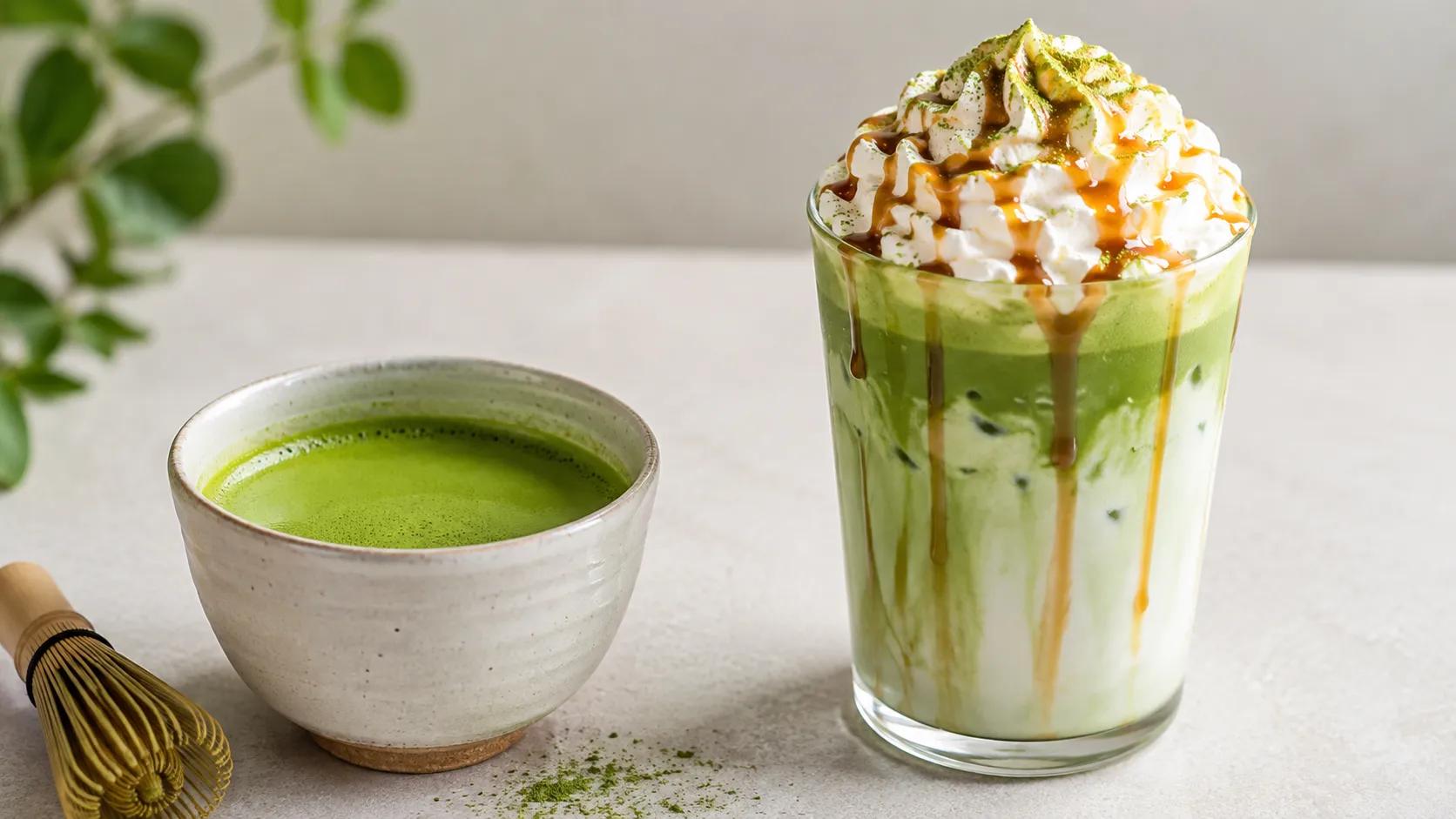
- Whipped cream
- Large amounts of sweetened plant milk
The additional ingredients in many café-style matcha drinks can matter far more for calorie intake than the matcha itself, which is naturally very low in calories.
Is Matcha Helpful for Men Over 40?
Weight management can become an increasingly relevant focus as activity levels, muscle mass, and eating patterns shift with age and lifestyle changes. Matcha can be one possible beverage choice within a broader routine that includes:
- Strength training
- Regular movement throughout the day
- Balanced nutrition
- Sufficient protein intake
- Quality sleep
- Stress management
It’s important not to overstate this: ageing doesn’t automatically cause weight gain, and matcha does not reverse age-related metabolic changes. It’s simply one small, low-calorie habit that can fit into a broader, more deliberate routine.
How Much Matcha Should You Drink?
There’s no single “correct” amount, since caffeine content in matcha varies depending on the quantity used, serving size, product quality, and preparation method. As a general and conservative approach, many people start with one to two servings a day and adjust from there based on how they feel.
It’s worth considering your total daily caffeine intake — including coffee, tea, energy drinks, and other sources — rather than looking at matcha in isolation.
Who Should Be Careful With Matcha?
A few groups may want to be more cautious:
- People who are sensitive to caffeine
- Those who notice sleep problems after consuming caffeine, even earlier in the day
- Individuals who have been advised to limit caffeine intake
- People taking medications or managing medical conditions who have questions about concentrated tea products
If any of this applies to you, a conversation with a doctor or qualified healthcare professional is a sensible next step.
Practical Weight-Management Matcha Routine
Here’s an example of how matcha might fit into a day — this is a lifestyle example, not a weight-loss prescription:
- Morning: Plain matcha instead of a sugar-heavy coffee drink
- Before exercise: Optional matcha for those who tolerate caffeine well
- During the day: Water remains the main source of hydration
- Meals: Focus on balanced nutrition rather than relying on matcha to offset food choices
Myth vs Reality
| Matcha Claim | What the Evidence Suggests |
|---|---|
| Matcha melts belly fat | Not supported |
| Matcha dramatically boosts metabolism | Effects appear modest |
| Drinking more matcha means faster weight loss | Not supported |
| Matcha can replace exercise | No |
| Matcha can be part of a healthy weight-management routine | Yes |
| Unsweetened matcha can replace higher-calorie beverages | Yes |
Conclusion
Matcha is not a shortcut to weight loss. Research on green tea catechins and caffeine suggests these compounds may have modest effects on energy expenditure and fat oxidation, but the biggest benefit of matcha may come from how it fits into an overall healthy lifestyle — replacing less healthy drinks, supporting a consistent routine, and adding a low-calorie habit to your day.
Focus on consistency rather than quick results. If you enjoy matcha, choose a high-quality product, keep added sugar low, and make it part of a balanced routine built around good nutrition, regular movement, and sustainable habits.
FAQs
1. Does matcha actually help men lose weight?
Matcha may offer modest support through caffeine and catechins, but it’s not a standalone weight-loss solution. Weight management depends primarily on overall diet, activity, and lifestyle.
2. Does matcha burn belly fat?
No. You cannot selectively burn fat from one area of the body by drinking matcha. Reductions in abdominal fat come from broader, sustained changes in body composition over time.
3. Can matcha increase metabolism?
Caffeine and catechins in matcha may temporarily and modestly increase energy expenditure, but this is different from creating significant long-term metabolic change.
4. Is matcha good for weight management?
It can be a useful low-calorie beverage choice within a broader healthy routine, but it isn’t a direct weight-loss treatment.
5. Is matcha better than coffee for weight loss?
Neither is clearly superior. Both are low-calorie when consumed plain, and both contain caffeine, which may modestly affect energy expenditure. The right choice comes down to personal preference and caffeine tolerance.
6. Can men drink matcha every day?
Many people drink matcha daily in moderate amounts. Caffeine tolerance varies, so it’s wise to start with a smaller serving and monitor your response.
7. Should I drink matcha before a workout?
It can be a reasonable pre-workout option for those who tolerate caffeine, offering alertness and energy, though it doesn’t guarantee performance improvements.
8. What is the best time to drink matcha for weight management?
There’s no scientifically proven “best” time for fat loss specifically. Morning, mid-morning, or 30–60 minutes before exercise are common, practical choices.
9. How many calories are in plain matcha?
Plain matcha prepared with water is very low in calories. Calorie content rises significantly when sugar, syrups, or sweetened milk are added.
10. Does adding milk to matcha affect weight management?
It can. Unsweetened milk adds relatively few calories, while sweetened or flavoured milk and syrups can add up quickly, potentially offsetting any benefit from the matcha itself.
11. What does EGCG do?
EGCG is a catechin found in green tea and matcha that has been studied for its antioxidant properties and potential role in metabolic processes, including fat oxidation, though effects are generally modest.
12. How long does it take to see results from drinking matcha?
Matcha alone should not be expected to produce a specific weight-loss result or timeline. Any changes in weight or body composition depend on your overall diet, activity level, and consistency over weeks and months, not on matcha by itself.




No comments yet.