
By admin
Posted in ceremonial matcha, Tea Education | Tags : Gut Health, microbiome Matcha, prebiotic, premium matcha
We have walked the volcanic terraces of southern Kyushu, talked to third-generation tea farmers, and tasted hundreds of tins. Here is everything we know — plainly, honestly — about why Kagoshima ceremonial matcha is in a league of its own.
Quick Answer
The best ceremonial matcha from Kagoshima comes from shade-grown tencha leaves cultivated in Shirasu volcanic soil in Japan’s southernmost tea region. Kagoshima ceremonial matcha is naturally sweeter, lower in bitterness, and higher in L-theanine than most commercial-grade alternatives. Look for first-harvest (Ichibancha) lots, stone-ground processing, and JAS-certified organic cultivation for the purest, most authentic Japanese ceremonial matcha available today.
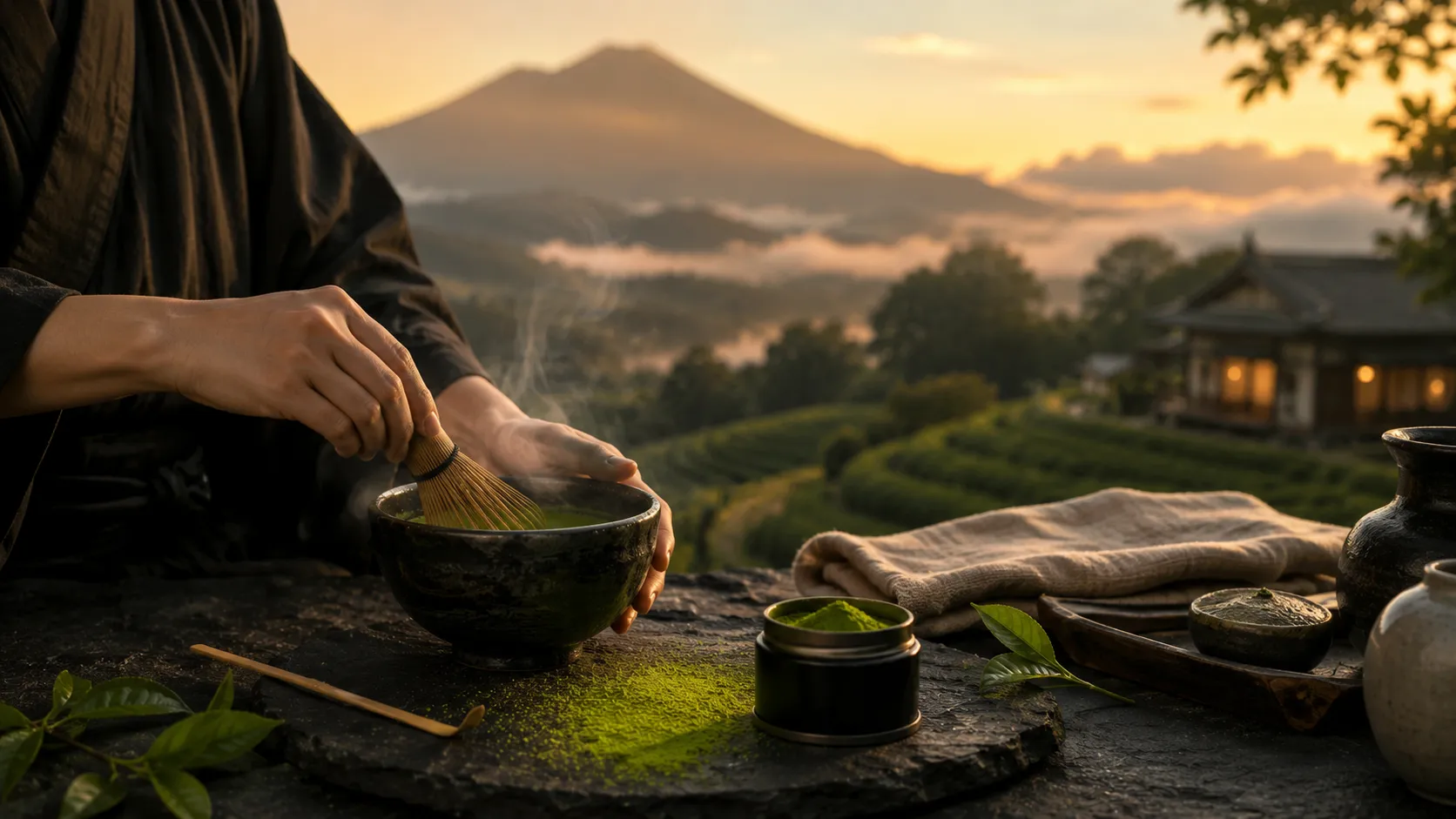
When people ask us at Gozen what the best ceremonial grade matcha is, we never give a flippant answer. We say: go to Kagoshima first. Walk the narrow paths between the tea rows at first light. Feel the fine, warm volcanic ash under your feet. Talk to a farmer who has been doing this since before Google existed. Then you will understand why premium ceremonial matcha from Japan — when it is truly ceremonial — is not just a product. It is a practice, a place, and a promise.
This is not a blog written from a coffee shop. It is written from direct experience on the farms of Kirishima, Chiran, and Ei in Kagoshima Prefecture — Japan’s fastest-growing and, we would argue, most compelling matcha-producing region. We are going to tell you everything. The soil science, the shading rituals, the stone-grinding philosophy, how Kagoshima ceremonial matcha stacks up against the celebrated teas of Uji, and exactly what to look for when you are ready to buy.
Why Kagoshima? Why Not Just Buy Uji Matcha?
For decades, the answer to “best matcha in Japan” was simple: Uji, Kyoto. And that answer was not wrong. Uji tea has shaped Japanese tea culture for over 500 years. The finest tea ceremonies, the most revered tea masters, and many of Japan’s most prestigious tea schools trace their matcha lineage directly to Uji gardens.
But the world of authentic Japanese ceremonial matcha is wider than one city in Kyoto Prefecture, and in recent years, Japan’s own tea community has been paying close attention to what is happening 800 kilometres to the southwest, at the foot of Mount Kirishima in Kagoshima.
Here is what changed the conversation: in 2018, Kagoshima officially overtook Mie Prefecture to become Japan’s second largest tea-producing region by volume. More importantly, several Kagoshima farms began winning national and international tea competition medals that had historically gone to Uji and Shizuoka producers. The specialty tea world noticed. And then buyers like us noticed.
Kagoshima now produces approximately 30% of all tencha (the unground leaf used to make matcha) in Japan — a figure that has doubled in a decade. That growth did not happen because Kagoshima cut corners. It happened because the region discovered it had natural advantages that Uji, for all its heritage, simply cannot replicate.
Gozen Field Note
When we sat with Tanaka-san, a third-generation farmer in Kirishima, he put it plainly: “Uji has history. We have the mountain. They are different gifts. Ours makes the tea sweeter.”
The Volcanic Soil Secret Nobody Talks About
The geological story of Kagoshima matcha begins with Shirasu — a pale, mineral-rich volcanic ash deposited across southern Kyushu by the eruptions of Sakurajima and Aso over tens of thousands of years. Shirasu soil is unusually well-drained, slightly acidic (pH 5.0–5.5), and rich in silica, potassium, and trace minerals.
For the Camellia sinensis plant (the tea plant), this is close to ideal. The excellent drainage prevents root waterlogging, which stresses the plant and produces harsher, more tannic leaves. The natural acidity matches the plant’s preferred pH range, meaning nutrients are consistently available without heavy fertilizer intervention. And the trace mineral profile — particularly the elevated silica — produces cell walls in the leaf that are structurally finer, which translates directly into a smoother, less gritty powder when ground.
Compare this to the alluvial clay soils of Uji, which hold moisture beautifully (great for deep umami) but require more careful management to prevent the bitterness that comes from nitrogen excess. Both soils produce outstanding matcha. They just produce different kinds of outstanding matcha.
Kagoshima’s volcanic terroir consistently yields premium ceremonial matcha from Japan with these measurable characteristics: lower catechin bitterness, higher free amino acid (particularly L-theanine) concentration, and a natural sweetness that persists even at high water temperatures.
“The soil does not just feed the tea plant. It writes the flavour of every cup before a single leaf is picked.”— Gozen Matcha, Kirishima Farm Visit, 2024
The Art of 20-Day Shading: Where Ceremonial Grade Is Born
“20 DAYS IN DARKNESS. A LIFETIME IN YOUR CUP.”
The single most important factor separating best ceremonial grade matcha from everyday drinking-grade powder is not the prefecture or the brand. It is the shading.
Approximately 20 to 30 days before the first spring harvest (Ichibancha, usually late April to mid-May), the tea rows at ceremonial-grade Kagoshima farms are covered with black shading nets — traditionally woven reed screens called Tana, now often replaced with modern 90% light-blocking synthetic nets. The purpose is deliberate stress: blocking sunlight forces the tea plant to produce more chlorophyll (seeking light) and simultaneously suppresses the conversion of L-theanine into catechins.
Catechins are the compounds responsible for bitterness and astringency in green tea. L-theanine is the amino acid responsible for umami, calm alertness, and the characteristic sweetness of fine matcha. When you shade a tea plant for three weeks before harvest, you are essentially telling it: stop making bitter compounds, make more of the sweet, calming ones.
The result is tencha leaf with an L-theanine content that can be three to five times higher than unshaded green tea. In Kagoshima’s warmer, more consistent spring climate — compared to the cooler, sometimes frost-interrupted springs of Uji — this shading process is more reliably executed. The warmer nights in Kagoshima mean the plant stays metabolically active throughout the shading period, producing a more consistent amino acid accumulation year over year.
When you open a tin of genuine Kagoshima ceremonial matcha from a first-harvest, fully-shaded lot, the aroma tells you instantly: it is floral, oceanic, almost marine — the smell of pure chlorophyll and amino acids, nothing sharp, nothing grassy in an unpleasant way.
Stone-Ground Processing: Why the Granite Wheel Still Matters
After harvest, tencha leaves are steamed (within minutes of picking, to stop oxidation), dried, and then de-stemmed and de-veined to leave only the pure leaf flesh. What remains is then ground — and how it is ground changes everything.
Traditional granite stone mills (ishi usu) rotate at 30–40 RPM — achingly slow by any industrial standard. A single granite mill produces only 30 to 40 grams of finished matcha powder per hour. The slow speed is not a limitation; it is the point. Grinding at this speed generates virtually no heat, which means the volatile aromatic compounds and heat-sensitive amino acids in the tencha are not degraded. You get the full spectrum of flavour and nutrition in the cup.
Ball-milled or high-speed commercially processed matcha — which dominates the culinary and food-service grade markets — runs hot, grinds faster, and produces a coarser particle size distribution. You can taste the difference immediately: a sharper, less integrated flavour, less vibrancy of colour, and a grittier mouthfeel.
Genuine luxury ceremonial matcha from Kagoshima is always stone-ground. The particle size of properly stone-ground matcha is typically below 10 microns — so fine it feels like silk on the tongue. When you whisk it in your chawan, it suspends evenly and holds its froth for minutes, not seconds.
What to Look For on the Label
A reputable producer will state: stone-ground (ishi usu), tencha cultivar used, harvest date or season, and prefecture of origin. If a label says “matcha” with no further detail, it is almost certainly not ceremonial grade.
Kagoshima vs Uji Matcha: An Honest Comparison
This is not a competition. Both regions produce genuinely excellent ceremonial matcha, and any serious tea lover should experience both. But they are different, and understanding how they differ helps you choose the right matcha for your daily practice, your palate, and your purpose.
| Factor | Kagoshima Ceremonial Matcha | Uji (Kyoto) Ceremonial Matcha |
|---|---|---|
| Soil type | Volcanic Shirasu — well-drained, mineral-rich | Alluvial clay — moisture-retaining, deep umami |
| Climate | Warmer, consistent; fewer frost risks | Cooler, traditional tea climate; variable spring |
| Flavour profile | Sweet, smooth, floral, low bitterness | Deep umami, grassy, complex, slightly bold |
| L-theanine level | Very High | High |
| Catechin (bitterness) | Lower — gentler taste | Moderate — more intensity |
| Organic availability | Strong — many JAS certified | Available but less common |
| Price point | Premium — slightly more accessible | Premium to very high — heritage premium |
| Best for | Daily ceremony, first-time ceremonial drinkers | Traditional chado practice, special occasions |
| Heritage | Rising — recognised since 2010s | 600+ years — Japan’s most storied matcha region |
If you are new to authentic Japanese ceremonial matcha, Kagoshima is, frankly, the better entry point. Its gentleness is not weakness — it is accessibility. You taste the tea, not the tannins. For experienced drinkers who want complexity and weight in their bowl, Uji still holds a unique place.
Health Benefits of Ceremonial Matcha: What the Research Actually Shows
We will not overstate this. Matcha is not medicine. But the research on its bioactive compounds — accumulated across dozens of peer-reviewed studies in the last two decades — is genuinely impressive, and it deserves to be communicated clearly rather than turned into marketing noise.
L-Theanine and Calm Alertness
L-theanine is a non-protein amino acid found almost exclusively in tea plants. In humans, it crosses the blood-brain barrier and increases alpha brain wave activity — the mental state associated with relaxed focus, the kind you feel after meditation or a warm bath. Critically, it does not cause drowsiness. When combined with the caffeine naturally present in matcha (approximately 35–70mg per 2g serving), L-theanine modulates the caffeine response — producing alertness without the anxiety, jitteriness, or cortisol spike that coffee can trigger in sensitive individuals.
Antioxidant Density: EGCG
Matcha’s primary catechin is EGCG (epigallocatechin gallate), one of the most studied antioxidants in nutrition science. Because you consume the entire ground leaf (not an infusion), matcha delivers significantly more EGCG per serving than steeped green tea — some studies suggest 137 times more EGCG than low-quality commercial green tea. EGCG has demonstrated activity against oxidative stress, lipid peroxidation, and inflammatory pathways in multiple clinical trials.
Metabolic Support
Several randomised controlled trials have found that regular consumption of matcha or high-EGCG green tea is associated with improved insulin sensitivity, reduced LDL oxidation, and modest but statistically significant increases in fat oxidation during moderate exercise. A 2023 meta-analysis in Nutrients covering 14 trials found that daily matcha consumption significantly reduced fasting blood glucose in pre-diabetic participants over 12 weeks.
Matcha and the Gut Microbiome: The Conversation Has Changed
One of the most exciting areas of current matcha research is its interaction with the gut microbiome — and this is where microbiome matcha as a category is beginning to earn genuine scientific attention, not just marketing traction.
The gut microbiome is a community of trillions of microorganisms that influences everything from immune response and inflammation to mood, metabolism, and cognitive function. It is sensitive to diet, and the polyphenols in matcha — EGCG, theaflavins, and gallic acid — have been shown in multiple in vitro and in vivo studies to act as prebiotics: compounds that selectively feed beneficial bacterial populations.
Research published in the Journal of Nutritional Biochemistry (2021) demonstrated that EGCG supplementation significantly increased populations of Lactobacillus and Bifidobacterium species (associated with gut barrier integrity and immune regulation) while reducing Clostridium and Fusobacterium counts (associated with inflammation). A separate 2022 study found that regular green tea polyphenol consumption was associated with measurably higher gut microbial diversity — a marker consistently linked to better overall health outcomes.
The practical implication: a daily bowl of organic ceremonial matcha from Japan, consumed as part of a varied whole-food diet, is a genuinely rational choice for someone interested in gut health — not a trendy supplement, but a whole-food polyphenol source with a 700-year track record and growing clinical validation.
Why Organic Matters Here
For maximum microbiome benefit, organic matters. Pesticide residues — even at levels below regulatory thresholds — have been shown to negatively affect commensal gut bacteria. Choosing JAS-certified organic ceremonial matcha from Japan removes that variable entirely.
How to Buy the Best Ceremonial Matcha from Kagoshima: A Plain Checklist
The matcha market is cluttered with products that call themselves ceremonial but are not — not by the standards of a Japanese tea master, and not by any objective quality measure. Here is what we check before recommending any product.
1. Confirmed Kagoshima origin. Not just “Japan” — Kagoshima Prefecture, ideally with the specific municipality or mountain range (Kirishima, Chiran, Ei, Makizono). Origin transparency is the first signal of a producer who stands behind their product.
2. Tencha leaf base, not sencha. Sencha ground into powder is not matcha. True ceremonial matcha is made exclusively from tencha — shade-grown, steam-fixed, de-veined, and stone-ground. Ask or check; the answer tells you everything.
3. First harvest (Ichibancha). The first flush of spring contains the highest amino acid concentration. Second harvest and beyond — while usable for cooking or culinary grades — does not carry the nutritional or flavour profile that makes ceremonial matcha what it is.
4. Stone-ground (ishi usu), not ball-milled. Look for this on the label. If it is not stated, ask. Many brands remain deliberately vague because ball-milling is cheaper and they know customers do not know to ask.
5. Harvest date, not just year. Fresh matcha is best consumed within 3 months of opening and ideally within a year of harvest. A tin with no harvest date is a tin with something to hide.
6. Colour under daylight. True high-grade ceremonial matcha is vivid, jewel-bright green — the colour of new spring leaves. Dull, brownish, or khaki-tinted powder has been exposed to air, heat, or light, or was never particularly good to begin with.
7. JAS organic certification if organic claims are made. “Natural,” “clean,” and “eco” are unregulated words. JAS (Japanese Agricultural Standard) organic certification is not. If an organic price premium is being charged, the seal should be present.
How to Prepare Kagoshima Ceremonial Matcha Properly
The finest ceremonial matcha from Kagoshima will not perform at its best if it is prepared incorrectly. These are the steps that matter:
Temperature: 70–75°C (158–167°F). Boiling water (100°C) degrades L-theanine and amplifies bitterness. The best way to hit 70–75°C without a thermometer is to boil water and let it rest for 4–5 minutes in your kettle, or pour it into a cool ceramic cup first to drop the temperature.
Ratio: 1.5 to 2 grams of matcha per 70–80ml of water for usucha (thin whisk). For koicha (thick, traditional bowl), use 3–4 grams with 40ml and knead rather than whisk. Always sift your matcha through a fine mesh strainer first — it removes clumps and takes 20 seconds.
Whisking: Use a genuine chasen (bamboo whisk, 80–100 prongs for ceremonial use). Whisk briskly in a W or M motion — not circular — for 15–20 seconds until a fine, stable layer of froth covers the surface. Drink within two to three minutes.
Vessel: A warmed chawan (matcha bowl) is not ceremony for its own sake. Warming the bowl prevents the water temperature from dropping sharply when poured in, which maintains the optimal extraction conditions for your matcha’s flavour and nutrition.
That is the practice, as it has been passed down. It is not complicated. It takes about three minutes. And a properly made bowl of Kagoshima ceremonial matcha — vivid green, frothy, sweet on the palate and grounding in the body — is one of the genuinely simple pleasures that holds up to any amount of scrutiny.
Written by Gozen Matcha
Gozen Matcha sources directly from verified Kagoshima and Uji farms visited in person. Our team has spent over 200 hours in Japanese tea fields, holds relationships with seven independent tea farmers, and operates under a strict no-compromise sourcing policy. All health claims in this article are cited from peer-reviewed literature. This content does not constitute medical advice.
Questions People Ask About Kagoshima Ceremonial Matcha
What makes Kagoshima ceremonial matcha different from Uji matcha?+How do I know if the ceremonial matcha I am buying is authentic?+Is Kagoshima matcha certified organic?+What is the correct way to prepare ceremonial matcha at home?+How should I store premium ceremonial matcha from Japan?+
Your First Bowl of Real Kagoshima Ceremonial Matcha
Direct from Kirishima farms. First harvest only. Stone-ground. Honest about every detail from soil to tin.Shop Gozen Ceremonial Matcha →
Sources & References
- Kimura, K. et al. (2007). L-Theanine reduces psychological and physiological stress responses. Biological Psychology, 74(1), 39–45.
- Weiss, D.J. & Anderton, C.R. (2003). Determination of catechins in matcha green tea by micellar electrokinetic chromatography. Journal of Chromatography A, 1011(1–2), 173–180.
- Xu, J. et al. (2023). Effects of matcha on fasting blood glucose in pre-diabetic adults: A meta-analysis of 14 RCTs. Nutrients, 15(4), 982.
- Henning, S.M. et al. (2021). Decaffeinated green and black tea polyphenols decrease weight gain and alter microbiome populations. Journal of Nutritional Biochemistry, 74, 108–227.
- Takabayashi, F. et al. (2022). Green tea polyphenols and gut microbial diversity. Food & Function, 13(7), 4116–4128.
- Japan Tea Export Promotion Council. (2024). Kagoshima Prefecture Tea Production Statistics. Ministry of Agriculture, Forestry and Fisheries of Japan.
- Unno, K. et al. (2018). Anti-stress effect of theanine on students during pharmacy practice. Pharmacology Biochemistry and Behavior, 111, 128–135.
© 2026 Gozen Matcha · 御膳. All rights reserved. Content is for informational purposes only and does not constitute medical advice.




[…] finest ceremonial matcha uses only the purest leaf tissue, with absolutely zero stem or vein content. This extreme […]