By admin
Posted in ceremonial match, premium matcha, Tea Education | Tags : blue matcha, green matcha, matcha green tea gut bacteria, Matcha Powder
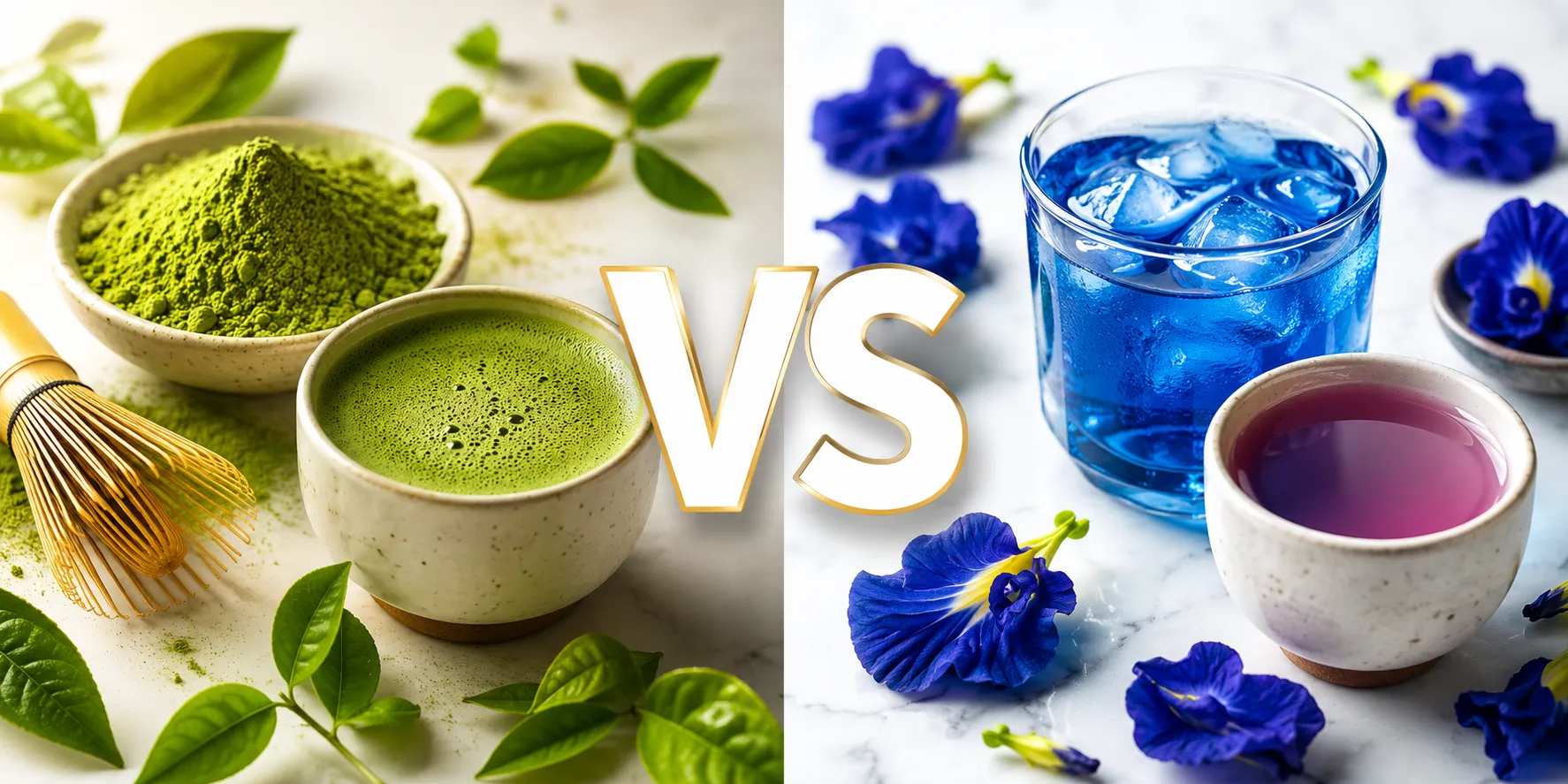
The matcha movement has taken the wellness world by storm. Coffee shops feature matcha lattes on every corner, smoothie bowls overflow with vibrant green powder, and health enthusiasts swear by its energizing properties. But recently, a new contender has emerged: blue matcha. With its striking azure hue and mysterious origins, blue matcha has left many tea lovers wondering—what exactly is the difference between green matcha and blue matcha, and which one should you choose?
This comprehensive guide breaks down everything you need to know about both beverages, from their origins and nutritional profiles to their health benefits and preparation methods. Whether you’re a matcha devotee or a curious newcomer, you’ll discover which option aligns best with your wellness goals.
What Is Green Matcha? Understanding the Original
Green matcha is a finely ground powder made from shade-grown tea leaves, originating from Japan centuries ago. This vibrant green tea has been a cornerstone of Japanese culture, particularly in traditional tea ceremonies, and has recently gained global recognition as a superfood.
The Green Matcha Production Process
The magic of green matcha begins weeks before harvest. Tea farmers shade the plants from direct sunlight for about 3-4 weeks, a process that increases chlorophyll production and creates that signature emerald color. This shading also boosts the levels of L-theanine, an amino acid responsible for matcha’s calming-yet-focused energy.
After harvesting, the leaves are carefully dried and ground into an ultrafine powder using traditional stone mills. This meticulous process preserves the nutrient integrity and creates matcha’s distinctive velvety texture. The result is a whole-leaf tea product, meaning you consume the entire leaf rather than just steeped water—maximizing nutritional intake.
Green Matcha’s Flavor and Characteristics
Premium green matcha delivers a complex flavor profile that tea enthusiasts describe as earthy, slightly sweet, with umami notes and a subtle grassy undertone. High-quality ceremonial-grade matcha tastes smooth and pleasant, while culinary-grade varieties might feel more astringent and require sweeteners or milk to balance.
The taste reflects the matcha’s origin, processing method, and harvest time. First-harvest (spring) matcha tends to be sweeter and more refined than later harvests, commanding premium prices for ceremonial use.
What Is Blue Matcha? The New Contender
Here’s where things get interesting: blue matcha isn’t actually matcha at all. This surprising fact confuses many consumers. Blue matcha is made from butterfly pea flowers (Clitoria ternatea), a legume native to Southeast Asia, particularly Thailand, Vietnam, and Indonesia.
The Butterfly Pea Flower Mystery
Butterfly pea flowers have been used in traditional Southeast Asian medicine for centuries, valued for their vibrant blue color and purported health benefits. The marketing term “blue matcha” was coined to capitalize on matcha’s popularity, though it’s technically a misnomer.
The powder itself offers a mild, slightly earthy flavor that’s less pronounced than green matcha. Many people find it nearly tasteless, making it an excellent base for creative flavor combinations without overpowering other ingredients.
The pH-Reactive Magic
One fascinating property of blue matcha that green matcha doesn’t possess is its pH reactivity. When you add acidic ingredients like lemon juice, butterfly pea powder transforms from blue to vibrant purple or pink. This color-changing property has made blue matcha Instagram-famous and popular for creative beverages and desserts.
Green Matcha vs Blue Matcha: Side-by-Side Comparison
| Aspect | Green Matcha | Blue Matcha |
|---|---|---|
| Origin | Japan | Southeast Asia |
| What It Is | Ground tea leaves | Butterfly pea flower powder |
| Caffeine Content | 25-70mg per serving | Minimal (caffeine-free) |
| L-Theanine | High (100-120mg) | Low or none |
| EGCG Antioxidants | Very high | Moderate |
| Anthocyanins | Low | High |
| Taste | Earthy, umami, grassy | Mild, slightly earthy |
| Color | Bright green | Bright blue |
| pH Reactive | No | Yes |
| Price per oz | $1-3 (culinary) / $4-8 (ceremonial) | $0.50-1.50 |
| Caffeine-Sensitive OK | No (unless wanting low) | Yes |
Health Benefits of Green Matcha
1. Powerful Antioxidant Protection
Green matcha’s most celebrated benefit comes from its exceptionally high concentration of catechins, particularly EGCG (epigallocatechin gallate). A single serving of green matcha contains more antioxidants than most superfoods, with studies suggesting that one cup provides antioxidants equivalent to 137 cups of regular green tea.
These catechins combat free radicals in your body, reducing oxidative stress linked to aging, chronic diseases, and inflammation. Regular consumption may support cellular health and longevity.
2. Enhanced Mental Focus and Sustained Energy
Green matcha delivers a unique energy boost thanks to the combination of caffeine (25-70mg per serving) and L-theanine. Unlike coffee, which can produce jitters and crashes, matcha’s L-theanine promotes calm alertness—enhancing focus and concentration without anxiety.
Studies indicate that this amino acid increases alpha wave activity in the brain, associated with relaxed yet alert mental states. Students and professionals often use matcha as a study or work companion for this reason.
3. Metabolism Support and Weight Management
Research suggests green matcha may enhance fat burning and boost metabolism. The catechins in matcha, particularly EGCG, have been shown in studies to increase fat oxidation and thermogenesis (calorie burning). A 2018 study found that regular matcha consumption correlated with improved body composition and metabolic function.
While matcha isn’t a weight-loss miracle, it may provide a modest metabolic boost when combined with a balanced diet and exercise routine.
4. Cardiovascular and Heart Health
Regular matcha consumption has been associated with improved heart health markers. Studies indicate that matcha drinkers show improved cholesterol profiles, reduced blood pressure, and better circulation. The catechins improve vascular function and may reduce the risk of heart disease—one of the leading health concerns globally.
5. Brain Health and Cognitive Function
Green matcha’s L-theanine and caffeine combination doesn’t just enhance focus—it may protect brain health long-term. Research suggests these compounds may reduce the risk of neurodegenerative diseases like Alzheimer’s and Parkinson’s by protecting neurons and supporting neuroplasticity.
6. Skin and Anti-Aging Benefits
Thanks to its antioxidant and anti-inflammatory properties, matcha has gained popularity in skincare. The catechins support collagen production, reduce sebum production (beneficial for acne-prone skin), and protect against UV damage. Some dermatologists recommend matcha internally and in topical formulations for comprehensive skin support.
Health Benefits of Blue Matcha
1. Eye and Vision Support
Blue matcha contains lutein and zeaxanthin, compounds specifically known for protecting eye health. These nutrients accumulate in the retina and filter harmful blue light, potentially reducing eye strain and supporting long-term vision. This makes blue matcha particularly valuable for people spending hours on screens.
2. Anti-Inflammatory and Immune Support
Butterfly pea flowers are rich in anthocyanins, powerful antioxidants with anti-inflammatory properties. Regular consumption may help reduce chronic inflammation throughout the body and strengthen immune function, supporting your body’s defense against illness.
3. Stress Relief and Better Sleep
Unlike green matcha’s energizing effect, blue matcha promotes relaxation without sedation. It contains compounds that naturally calm the nervous system, making it ideal for evening consumption or stress management. Many people report improved sleep quality when incorporating blue matcha into their evening routine.
4. Cognitive Enhancement Without Stimulation
While caffeine-free, blue matcha still supports brain health through its antioxidant content. It may enhance memory, focus, and mental clarity without the stimulant effects, making it suitable for afternoon or evening consumption or for those sensitive to caffeine.
5. Hair and Collagen Support
The anthocyanins in butterfly pea flowers support collagen synthesis, benefiting not just skin but also hair and connective tissue. Many people take blue matcha specifically for hair growth, strength, and shine.
6. Digestive Wellness
Butterfly pea flowers contain compounds that support digestive health, promote beneficial gut bacteria, and soothe the digestive tract. Some traditional medicine practitioners recommend it for overall digestive wellness and microbiome balance.
Which Should You Choose?
The answer depends on your individual needs, preferences, and wellness goals.
Choose Green Matcha If You Want:
- Maximum energy and focus with sustained alertness throughout the day
- Powerful antioxidant support specifically from EGCG catechins
- Traditional matcha experience with authentic flavor and cultural heritage
- Metabolism support as part of a wellness routine
- A morning or midday beverage to replace coffee
Choose Blue Matcha If You Want:
- Caffeine-free relaxation without stimulants
- Eye health support from lutein and zeaxanthin
- Evening beverages that won’t interfere with sleep
- Stress relief and anxiety reduction naturally
- Fun, color-changing beverages that photograph beautifully
- A gentle wellness boost without stimulation
Why Not Both?
Many wellness enthusiasts incorporate both into their routine—green matcha in the morning for energy and focus, blue matcha in the evening for relaxation and stress relief. This approach provides complementary benefits throughout the day, maximizing the unique advantages of each beverage.
How to Prepare Green Matcha Properly
Traditional Whisking Method (Ceremonial Preparation)
For the authentic experience and maximum nutrient preservation:
- Sift ½-1 teaspoon of matcha powder into a bowl to prevent clumping
- Add 2-3 ounces of water heated to 160-170°F (never boiling—heat damages nutrients)
- Use a bamboo whisk (chasen) to vigorously whisk in an “M” or “W” motion for 30-60 seconds until frothy
- Drink immediately while the foam is still fresh
Modern Blended Method
For convenience without sacrificing nutrition:
- Add ½-1 teaspoon matcha powder to your blender
- Pour in 8-10 ounces of your choice of milk (dairy, almond, oat, or coconut work well)
- Add optional sweetener (honey, agave, or maple syrup) if desired
- Blend until smooth and creamy, about 30 seconds
- Pour over ice if desired and enjoy
Popular Green Matcha Recipes
Matcha Latte: Blend matcha with steamed milk and a touch of honey for a café-quality beverage at home.
Matcha Smoothie: Combine matcha, frozen banana, Greek yogurt, and your favorite fruit for a nutrient-dense breakfast drink.
Iced Matcha: Whisk matcha with a small amount of hot water, cool slightly, then pour over ice with milk and sweetener for a refreshing summer beverage.
How to Prepare Blue Matcha
Basic Preparation
- Add ½-1 teaspoon blue matcha powder to a cup
- Pour 8-10 ounces of hot water (not boiling) and stir well
- Optionally add milk and sweetener to taste
- Enjoy warm, or cool over ice for an iced blue matcha beverage
The Color-Change Experiment
Create Instagram-worthy drinks by using the pH-reactive properties:
- Prepare blue matcha with water as above
- Squeeze fresh lemon juice into the blue liquid
- Watch as it transforms from blue to vibrant purple or pink
- Add a sweetener and optional milk for a naturally colorful beverage
Potential Side Effects and Safety Considerations
Green Matcha Considerations
Caffeine sensitivity: With 25-70mg of caffeine per serving, some individuals—particularly those sensitive to caffeine—may experience jitteriness or sleep disruption if consumed in the afternoon or evening.
Medication interactions: Matcha may interact with certain medications. Consult your healthcare provider if taking blood thinners, stimulants, or other medications.
Pregnancy: While small amounts are generally considered safe, pregnant women should consult their healthcare provider about matcha consumption.
Lead content: Some matcha sources, particularly low-quality varieties, may contain trace amounts of lead absorbed from soil. Source from reputable vendors selling tested products.
Blue Matcha Considerations
Allergic reactions: Though rare, some individuals may experience allergic reactions to butterfly pea flowers. Discontinue use if you experience any adverse effects.
Medication interactions: Blue matcha is generally safe, but those on medications should consult healthcare providers for interactions.
Quality concerns: As with green matcha, source from reliable vendors to ensure purity and safety.
Where to Buy Quality Matcha
For Green Matcha
Look for vendors specializing in matcha, particularly those sourcing directly from Japan. Ceremonial grade—the highest quality—commands premium prices ($5-8+ per ounce) but delivers superior flavor and nutrition. Culinary grade ($1-3 per ounce) works well for lattes and recipes when budget is a consideration.
Reputable brands test for contaminants and provide transparency about origin and harvest dates. Expect to pay more for quality, as authentic premium matcha from specific Japanese regions like Uji or Kyoto costs more than mass-produced alternatives.
For Blue Matcha
Blue matcha is typically more affordable ($0.50-1.50 per ounce) and widely available through online retailers. Ensure vendors provide third-party testing and sourcing information. Quality matters less dramatically than with green matcha since flavor differences are subtle, but sourcing from reputable companies ensures purity.
Expert Tips for Maximum Benefits
Timing Matters
Green matcha: Best consumed in the morning or early afternoon to leverage its energizing properties. Avoid after 3 PM if sensitive to caffeine.
Blue matcha: Ideal for evening consumption, late afternoon, or whenever you want relaxation without stimulants.
Preparation Temperature
Never use boiling water with either matcha variety. Temperatures above 175°F destroy beneficial compounds and create bitter flavors. Ideal temperature ranges from 160-170°F for green matcha and slightly higher (170-180°F) for blue matcha.
Consistency and Duration
Health benefits accumulate with regular consumption. Daily matcha intake over weeks and months produces more noticeable results than occasional consumption. Consider incorporating matcha into your daily routine for optimal benefits.
Quality Over Quantity
Investing in higher-quality matcha delivers superior nutrition and taste. A smaller amount of premium matcha provides more benefits than larger quantities of low-quality powder.
Frequently Asked Questions
Is blue matcha caffeine-free? Yes, blue matcha (butterfly pea flowers) contains negligible caffeine, unlike green matcha’s 25-70mg per serving.
Can you mix green and blue matcha together? Absolutely! Many people blend both to combine the energizing benefits of green matcha with the calming properties of blue matcha.
Which is more expensive? Green matcha, particularly ceremonial grade, costs significantly more than blue matcha. Premium green matcha runs $5-8+ per ounce, while blue matcha typically costs $0.50-1.50 per ounce.
Does green matcha stain teeth? Regular matcha consumption may cause slight staining over time. Rinse your mouth after consumption and maintain good dental hygiene to minimize staining.
Is ceremonial matcha worth the premium price? For traditional ceremonies and maximum flavor appreciation, yes. For lattes and recipes, culinary grade provides excellent benefits at a lower price point.
Conclusion: Making Your Perfect Choice
Green matcha and blue matcha occupy different niches in the wellness world. Green matcha reigns as the authentic, antioxidant powerhouse for those seeking focused energy and maximum nutritional density. Blue matcha offers a caffeine-free, calming alternative with unique benefits for eyes, stress relief, and creative beverage preparation.
Rather than viewing them as competitors, consider them complementary options. A morning cup of green matcha can energize your day while supporting long-term health, and an evening blue matcha beverage can support relaxation and recovery. Both deserve a place in a comprehensive wellness routine.
Start with whichever resonates with your current needs—if you need energy, choose green; if you seek calm, choose blue. As you explore, you’ll likely discover that incorporating both creates a balanced, nutrient-rich wellness ritual that supports your health throughout the entire day.
FAQ about Blue Matcha and Green Matcha
Which is better, blue or green matcha?
Neither is strictly better — green matcha gives you caffeine, L-theanine, and antioxidants for energy and focus; blue matcha is caffeine-free and mainly valued for its color and calming use.
Which type of matcha is the healthiest?
Ceremonial-grade green matcha is generally the most nutrient-dense true matcha. Blue matcha isn’t tea, so it’s not a direct “healthier/less healthy” comparison — it offers a different benefit (antioxidants, no caffeine) rather than a better or worse one.
Is blue matcha real matcha?
No — it’s dried, ground butterfly pea flower powder. It borrows the name for its powdered format and vivid color, but it isn’t made from the tea plant and has no caffeine.
Which tea is better, green or blue?
Only green matcha is technically tea. Blue “matcha” is a caffeine-free herbal powder, so which is “better” really depends on whether you want tea’s caffeine and antioxidant benefits or a caffeine-free, color-changing herbal drink.
What is blue matcha?
Blue matcha isn’t matcha at all — it’s a vibrant blue powder made from dried, ground butterfly pea flowers (Clitoria ternatea). Unlike real matcha, it doesn’t come from the tea plant Camellia sinensis, and it’s caffeine-free. It’s popular as a natural blue food coloring in lattes, smoothies, and desserts.
Does blue matcha have caffeine?
No. Because blue matcha comes from butterfly pea flowers rather than the tea plant, it contains no caffeine at all, making it a good option for an evening drink or for people who are sensitive to caffeine.
What is blue matcha made of?
Blue matcha is made by drying and finely grinding butterfly pea flowers into a powder. Its striking blue color comes from natural anthocyanin pigments — the same class of antioxidant compounds found in blueberries — and it will shift to purple or pink when mixed with something acidic, like lemon juice.
Blue matcha vs green matcha: what’s the difference?
Green matcha is finely stone-ground green tea leaves, containing caffeine and the calming amino acid L-theanine, with a grassy, umami flavor. Blue matcha is butterfly pea flower powder — caffeine-free, mild and slightly earthy in flavor, and used mainly for its color rather than an energy boost. They come from entirely different plants and serve different purposes in a recipe.




No comments yet.